
As an Amazon Associate, we earn a small commission from qualifying purchases — at no extra cost to you.
Tired of thrips ruining your indoor jungle? Discover early signs of damage to spot and stop these stubborn houseplant pests once and for all.
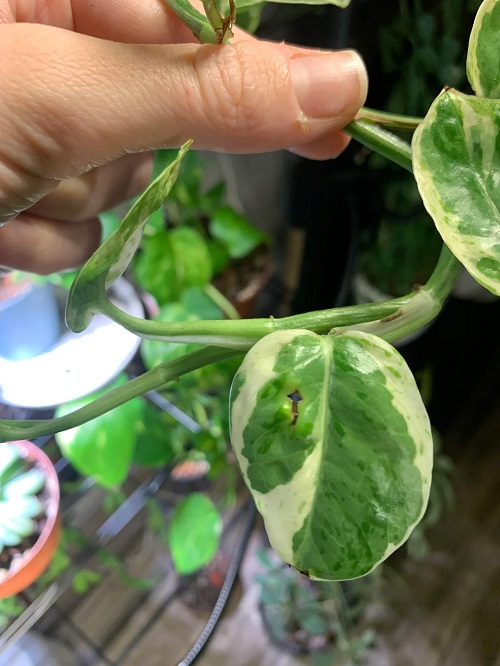
If you find your houseplants suddenly turning dull and covered in silvery streaks or bronzed patches, you’ve come face-to-face with every plant parent’s nightmare—thrips! But don’t worry! You’ll be able to get rid of them in no time with this complete guide on how to get rid of thrips on houseplants. Let’s jump in and bring back the lost charm of your greenery!
Need the Right Gear to Fight Thrips? Don’t let pests ruin your plant collection! Stock up on all the needed essentials from our Gardening Storefront to protect your indoor jungle today.
Signs Your Houseplant is Infested with Thrips
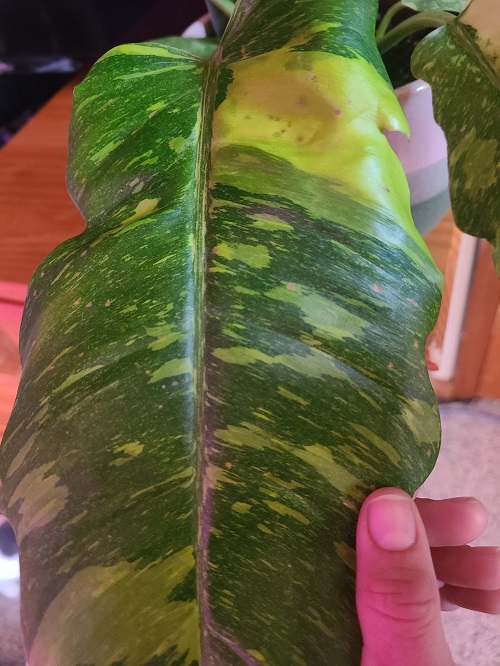
These tiny yet mighty pests are barely noticeable to the naked eye, but you can identify their presence through these common signs of plant damage:
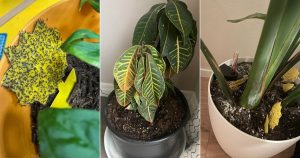
Silvery Streaks or Bronzed Patches: Thrips puncture leaf tissue and feed on plant sap. This feeding drains the natural gloss from leaves, turning them into dull gray foliage covered with silvery streaks or bronzed patches.
Black Specks on the Underside: If you spot tiny black dots on the underside of affected leaves, it’s a common sign of thrips. These are varnish-like droplets of frass (pest waste) left behind after feeding.
Distorted New Growth: As thrips target tender young tissue, new growth—whether leaves or flowers—tends to emerge twisted, stunted, or distorted.
Plant care taking forever? Turn leaf-wiping and pest-fighting into entertainment with Amazon Audible!
How to Detect Thrips before Damage
If your gut feeling says your plant is crying for help against thrips but you don’t see any of these signs, try the tap test.
Hold a sheet of white paper under your houseplant’s leaves and give the stem or leaves a firm tap. If you notice tiny black specks moving around on the paper, thrips are usually the culprit!
Congratulations—you’ve caught them early before severe damage sets in! Follow the step-by-step care guide below to completely eliminate thrips from your houseplants.
4 Easy Steps to Get Rid of Thrips on Houseplants
Thrips can produce up to 8 generations a year, meaning an unchecked, infested plant can quickly harbor hundreds of them. That’s why your best weapons when dealing with thrips are patience and consistency. Follow this easy four-step guide to get rid of thrips on houseplants:
1. Isolate the Infected Houseplants
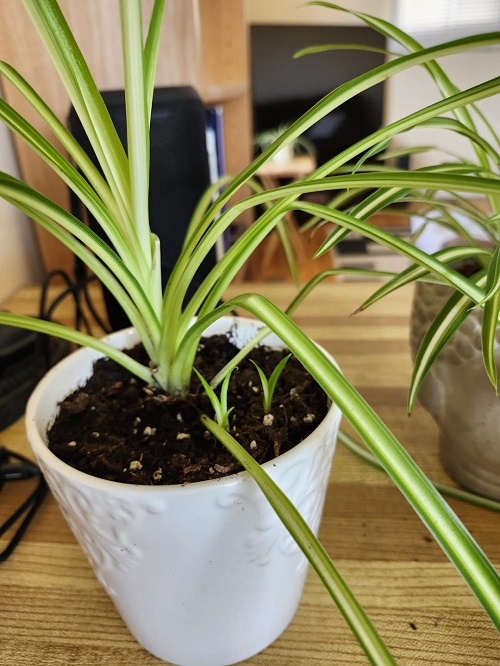
Although they are weak fliers, thrips easily disperse from plant to plant on light indoor air currents. Begin by immediately isolating your infested plant in a separate room to protect the rest of your houseplants.
2. Give the Foliage a Good Shower
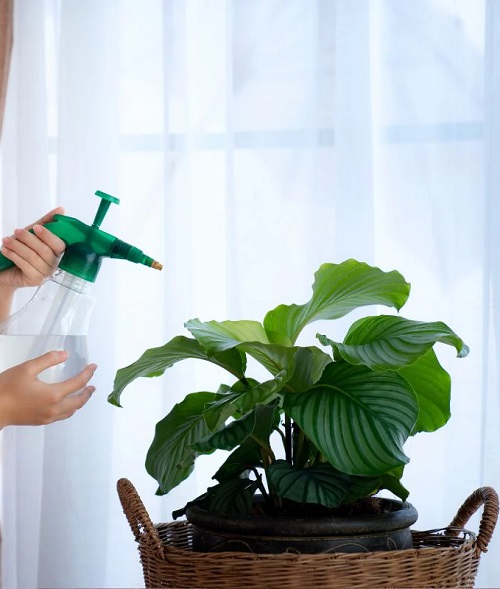
Because thrips lay their eggs inside plant tissue, a shower won’t remove them completely. However, rinsing the foliage with a gentle stream of lukewarm water will dislodge and wash away a large portion of active adults and larvae from the leaf surfaces.
3. Apply Neem Oil or Insecticidal Soap
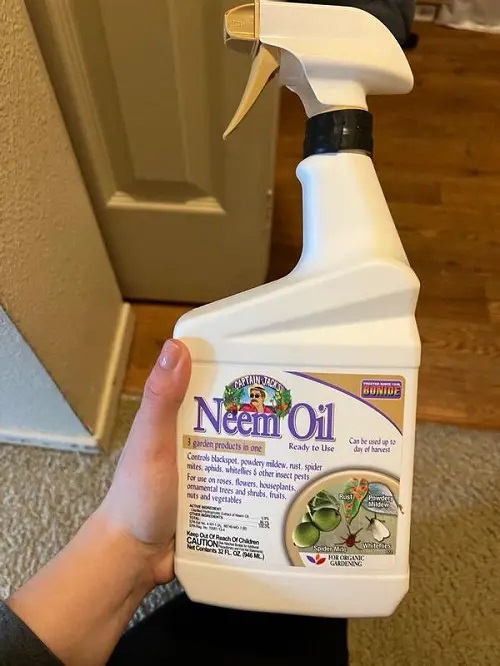
While a shower provides quick relief, you’ll need a targeted spray to finish the job. Thoroughly coat both the tops and undersides of the leaves with neem oil or insecticidal soap to eliminate surviving thrips.
Tip: Repeat this treatment every 5 to 7 days. Thrips have short life cycles and can rapidly repopulate if you skip a session.
4. Set Up Blue Sticky Traps
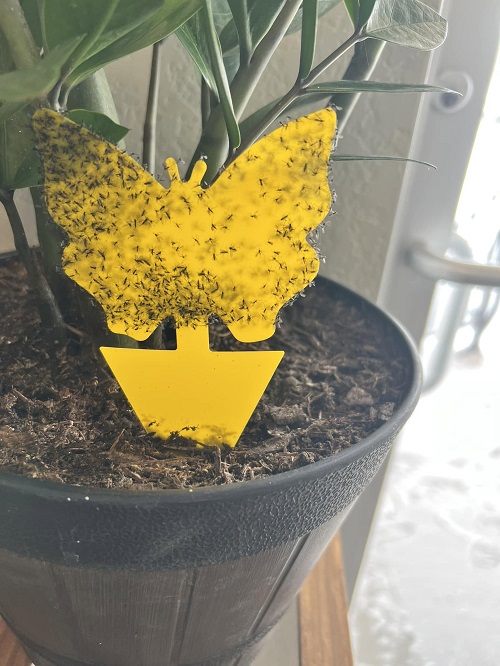
Thrips are naturally attracted to blue wavelengths, making blue sticky cards an effective tool for trapping adults. Hang a blue sticky trap just above your plant’s canopy to catch flying adult thrips before they can lay more eggs.
Catch thrips in the act! Hang these bright blue sticky traps above your plant’s canopy to stop pests in their tracks.
How to Prevent Thrips Infestation on Houseplants
It’s always easier to prevent a thrips infestation than to treat one, so follow these simple preventive steps to keep your indoor garden safe:
1. Maintain Proper Watering
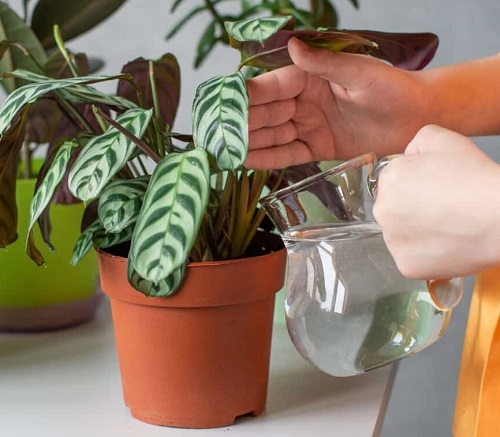
Stressed and thirsty plants are prime targets for thrips. Keeping a consistent watering schedule keeps your plants strong and resilient against pest pressure.
Who knew plant care could look this charming? Add some charm to your plant care routine with this Cute Ladybug Soil Moisture Meter Today!
2. Always Quarantine New Entries
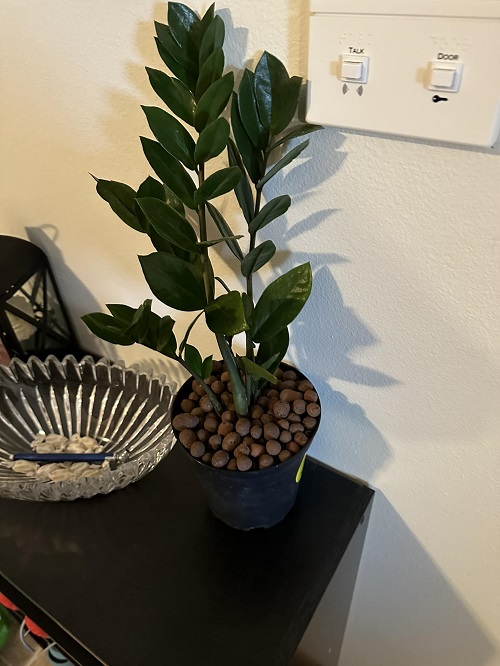
You never know if thrips are hiding on a new plant, so isolate all new houseplants for at least two weeks before introducing them to your existing collection.
3. Regularly Dust and Wipe Leaves
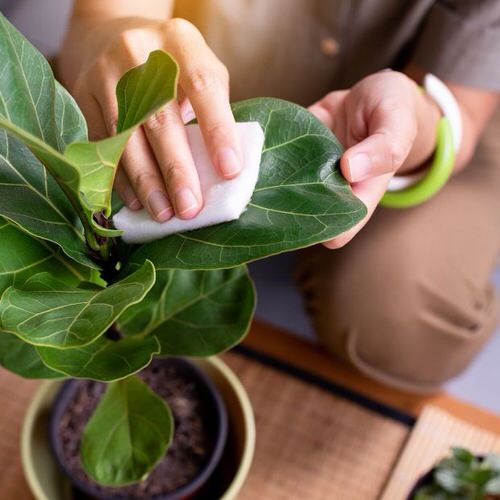
Dusting and wiping leaves can help remove thrips and other common houseplant pests, and these tasks make it easier to detect early signs of damage. Plus, keeping the foliage clean allows your plants to photosynthesize better, keeping them glossy and healthy.
Wipe away pests and dullness in one swipe! Keep your foliage shiny, dust-free, and thrip-proof with Neem Oil Infused Plant Wipes and microfiber gloves.
Dealing with thrips on houseplants takes a little patience and a lot of consistency, but don’t give up—it’s a battle you can win! With simple tweaks to your care routine, like routine cleaning and spraying neem oil or insecticidal soap for a few weeks, you can help control these pests. Say goodbye to those tiny, destructive bugs and help your houseplants’ foliage regain its healthy appearance!
Ready to win the war on houseplant pests? Master DIY neem recipes, insecticidal soap sprays, and bug-busting secrets to keep your greenery thriving. Grab Bug Off! The Ultimate Houseplant Pest Battle Plan Today!