
As an Amazon Associate, we earn a small commission from qualifying purchases — at no extra cost to you.
Before you think this is a life-threatening decision for your plants. Let us tell you that it is not. And let’s see how and why behind it!
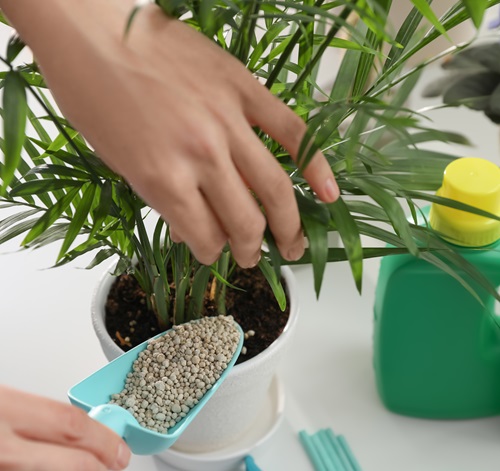
Stopping fertilizer for three months does not automatically mean that your houseplant will become unhealthy. Plants can make their own food through photosynthesis; fertilizer simply supplies mineral nutrients that help them build new leaves, roots, or other tissues. New for you? Let us explain.
Building a better plant-care routine? Browse our Amazon Gardening Storefront for fertilizers, potting mixes, moisture meters, pots, and other indoor gardening essentials.
What Happens When You Stop Fertilizing Houseplants for 3 Months?
Nothing for the First Few Weeks
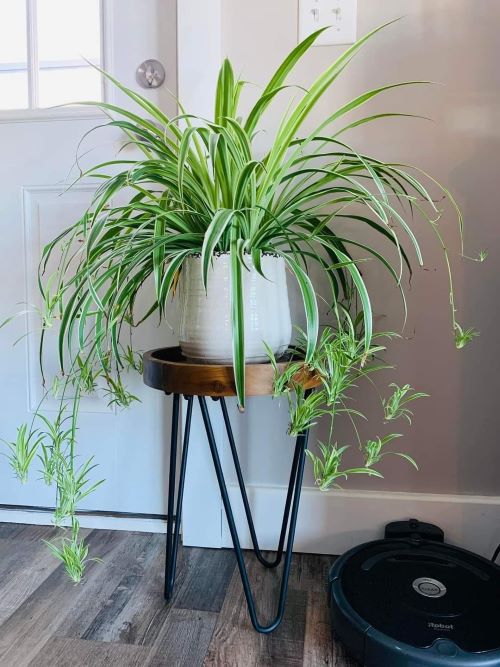
For the first several weeks, there might be no difference as such. Most potting mixes contain at least some nutrients, and newly purchased plants can sometimes have enough fertilizer in their growing medium already to support them for two to three months.
This is why a plant can look perfectly healthy even after you quietly eliminate or change its fertilizer routine.
Ready to resume feeding when your plants need it? Browse balanced houseplant fertilizers designed for indoor growing.
Second and Third Months are the Clue
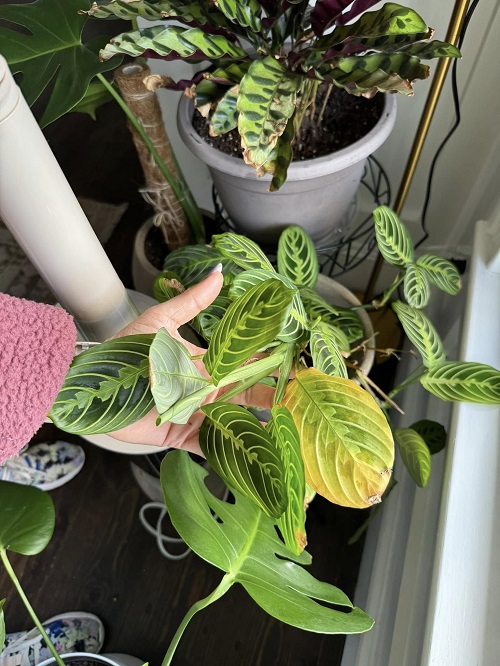
The earliest sign of inadequate nutrition is often not a dying leaf. It can be a plant that simply stops producing the kind of growth you were used to seeing.
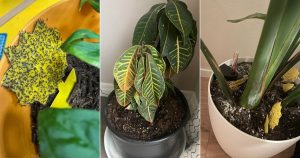
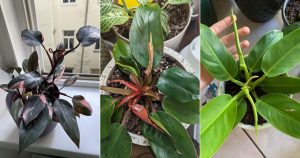
New leaves may appear more slowly, become smaller, or lose some of their usual green color. Overall growth can become less vigorous. Yellowing leaves and poor growth can also occur with nutrient deficiencies, although these symptoms are not exclusive to fertilizer problems.
Now listen carefully; a plant getting poor light might as well look identical. If photosynthesis is limited, adding fertilizer cannot compensate for insufficient light.
Before reaching for fertilizer, check the growing conditions. A soil moisture meter can help you avoid confusing watering issues with nutrient problems.
It Might Be Beneficial
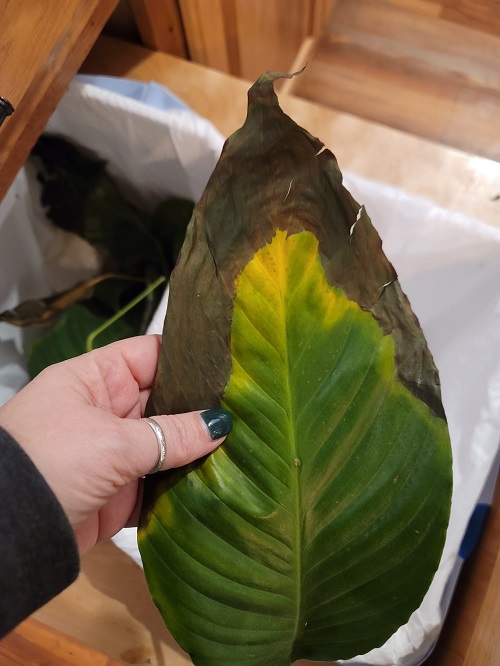
And now it’s time for a little praise. Because sometimes, a fertilizer break can prevent problems too. How?
Repeated fertilizer applications leave soluble salts behind in the potting mix. With time, these can accumulate, interfere with water uptake, and damage sensitive roots. A white crust on the soil surface or pot, brown leaf tips, and slowed growth can be signs of excessive soluble salts.
So if your plant has been fertilized heavily, three months without fertilizer may give it some useful reset, especially if the watering and care regimen is taken care of and the excess water is drained.
If your potting mix has accumulated salts or has become difficult to manage, browse fresh, well-draining potting mixes for houseplants.
But it’s not a Universal Rule
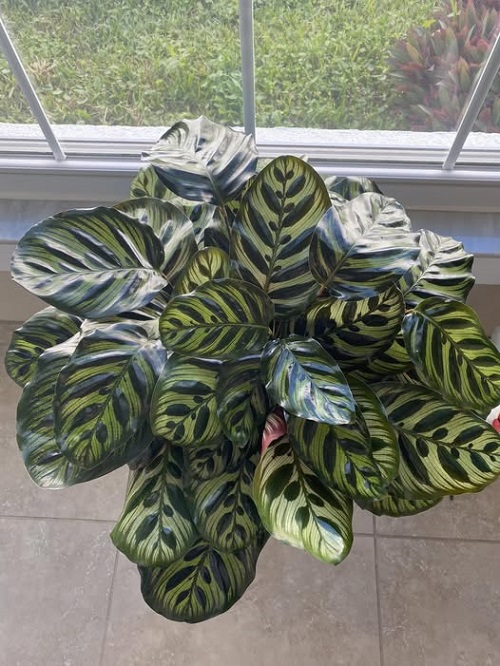
A slow-growing plant and a rapidly growing tropical foliage plant do not consume nutrients at the same rate. Light is a crucial factor as well. Plants in brighter conditions generally have greater nutrient demands than those growing in dim corners.
But wait. Do not forget the role of seasons. During periods of low light and dormancy, many houseplants need little or no additional fertilizer. During active growth, they may benefit from periodic feeding.
Need to restock your plant-care essentials? Try Prime for free, if eligible, for convenient delivery on fertilizers, soil, pots, and gardening supplies.
What To Do After Break?
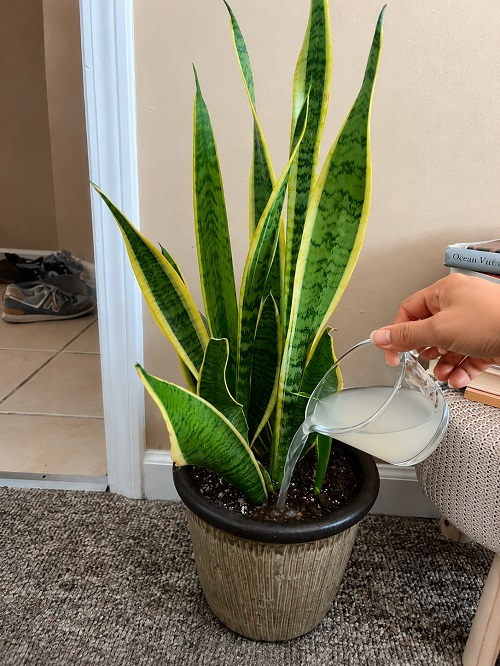
Don’t compensate by giving the plant a huge dose of fertilizer.
Instead, check whether it is actively growing, inspect the leaves and soil, and then resume fertilizing according to the requirements of that particular plant and the product label. Most houseplants need surprisingly little fertilizer, and overfeeding can be more damaging than an occasional missed feeding.
Complicated? Not anymore, right? But if you want to understand plant nutrition and houseplant care in more detail? Explore indoor gardening and houseplant-care books for practical growing guidance.