
As an Amazon Associate, we earn a small commission from qualifying purchases — at no extra cost to you.
Mineral deposit or mold? Perhaps either. But it’s for you to identify and diagnose before treating your plant. Read this to find out.
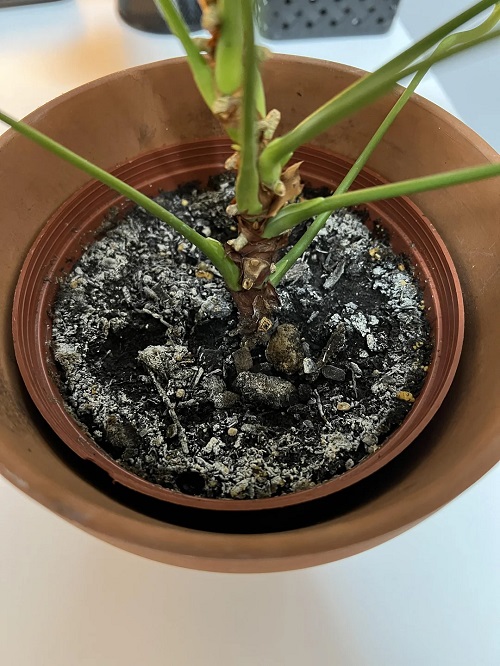
You water your houseplant, leave it alone for a few days, and suddenly there is a thin, white, crusty layer sitting on top of the soil. It can look like mould, mineral buildup, or even something fishy underground. But there is good news: it is not a plant emergency. But it can be your plant’s way of telling you something about the water, fertilizer, or potting mix. Let us help you out.
Troubleshooting a houseplant problem? Browse our Amazon Gardening Storefront for moisture meters, pots, potting mixes, fertilizers, watering tools, and other plant-care essentials.
What is the White Crust in our Houseplant Soil?
Often Minerals and Not Mould
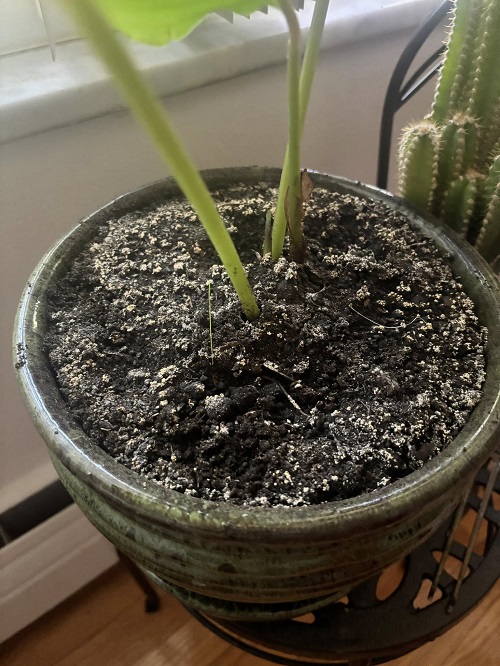
Let us blame salt and mineral accumulation.
Tap water naturally contains dissolved minerals like calcium and magnesium. Fertilizers also contain soluble salts. So every time you water, some of these dissolved substances move through the potting mix.
If hard water may be contributing to mineral buildup, explore water-filter options for reducing certain dissolved minerals.
Then water eventually evaporates from the soil surface, but the minerals don’t evaporate with it. They remain behind and gradually form a chalky white, greyish, or crust-like deposit. This is more noticeable in areas with hard water.
Now, this does not mean that you are overwatering your plants. Even a plant with healthy watering habits can develop it if the water contains a high mineral load.
Not sure whether your plant actually needs water? A soil moisture meter can help you check the growing medium before watering.
Fertilizer Adds to It
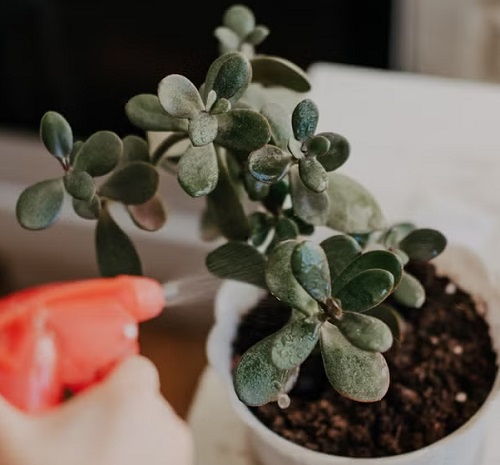
If you have been fertilizing frequently, then stop.
The white layer may contain fertilizer salts rather than being wholly from tap water. This matters because excessive soluble salts can eventually make it harder for roots to take up water. Simply put, the pot may look adequately moist while the plant behaves as if it is thirsty.
And you might further notice brown leaf tips, crispy margins, slowed growth, or leaves that look dull alongside heavy salt accumulation.
Need to replace a pot, soil, moisture meter, or other plant-care essential? Try Prime for free, if eligible for convenient delivery.
But what if it is Mould?
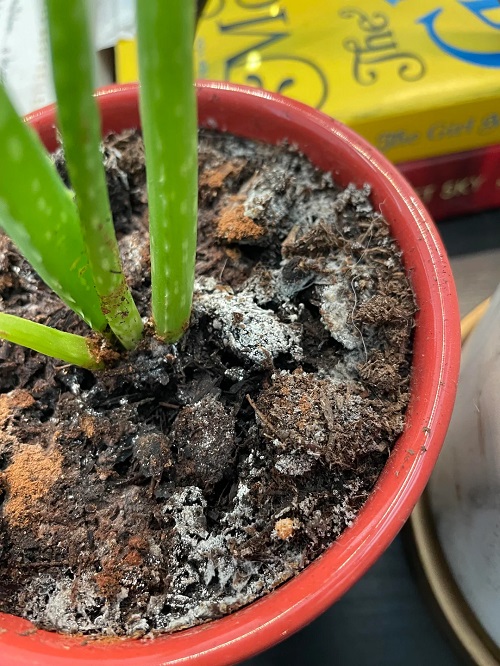
Not every white substance is mineral crust.
The easy way to differentiate is to look and observe. Mineral deposits tend to be hard, gritty, powdery, or crusty. Fungal growth is more likely to look fuzzy, cottony, web-like, or irregular and may spread across organic material such as fallen leaves.
Also, there could be a third possibility. Fungal mycelium: this happens when some harmless fungi colonise organic matter in potting soil. They aren’t automatically a sign of plant disease.
Should you remove it?
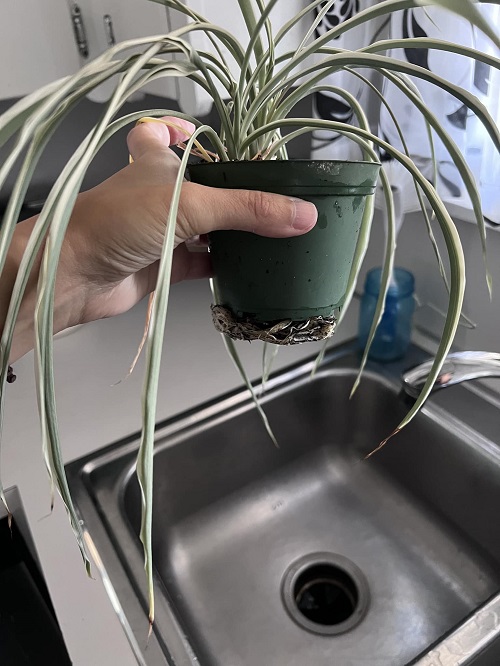
If it is a mineral crust, gently scrape or scoop away the affected top layer rather than mixing it back into the pot. If the buildup is prolonged, then thoroughly water the plant so that water drains freely from the drainage holes. This helps move accumulated soluble salts lower in the pot and out of the root zone.
Remember: Don’t do this to a pot without drainage.
And if the plant looks pale, please do not touch the fertilizer. Salt buildup and nutrient deficiency can sometimes produce similar symptoms, so adding more fertilizer without understanding the problem can make things worse.
Check the Pot
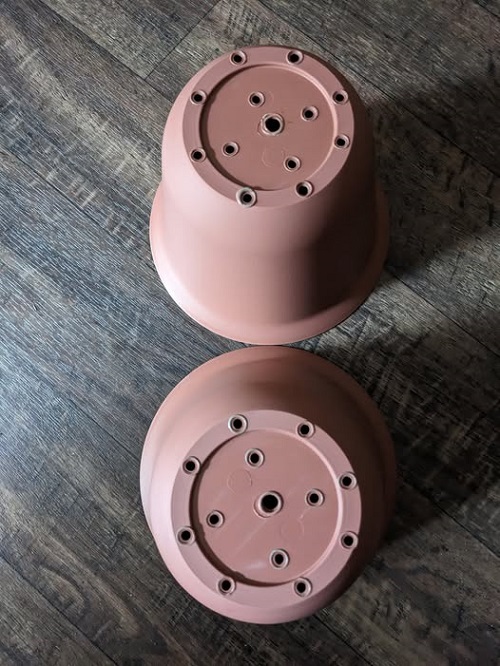
Check the pot, rim, and drainage holes.
If you find white, chalky residue around the pot’s drainage area, saucer, or soil surface, that’s another cue that dissolved minerals are collecting as water evaporates.
Repotting a plant with poor drainage? Browse indoor plant pots with drainage holes to give excess water a clear way out.
Don’t worry. A little white crust is generally a maintenance issue rather than a plant emergency. But if it keeps returning back-to-back with browning leaves, poor growth, wilting, despite your adequate care routine, then investigate your water quality, fertilizer routine, drainage, and potting mix.