
As an Amazon Associate, we earn a small commission from qualifying purchases — at no extra cost to you.
Are you still trying to figure out why your ZZ plant is refusing to grow even if it looks healthy? You’re definitely not the only one asking.
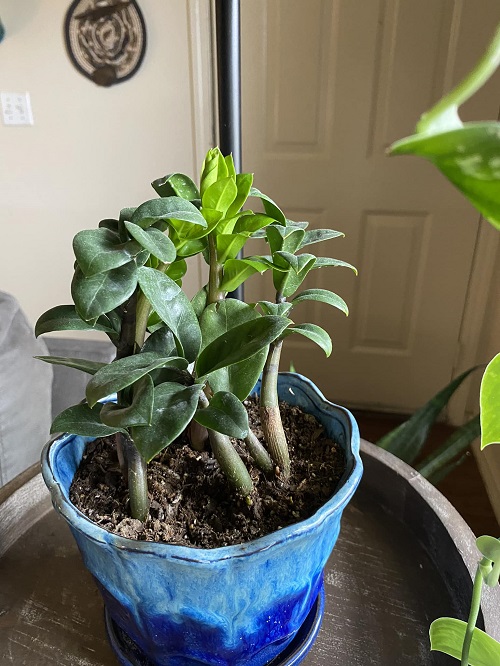
ZZ plants are well known as low-maintenance houseplants. When your Zamioculcas is not growing, it is not because of negligence—but contentment. Sometimes, when everything feels just right, your plant may stop striving for more. Let’s understand the signs and shake things up a little to boost the growth of your ZZ plant.
Signs That Your ZZ Plant Is Too Comfortable And Not Growing
Zamioculcas zamifolia, native to eastern Africa, also known as the ZZ plant, is a medium-sized, attractive, yet undemanding houseplant that will add a touch of green to indoor surroundings. This houseplant doesn’t require pampering or a perfect growing environment; it is one of the easiest low-maintenance houseplants to grow.
Let’s find out how to make your ZZ plant grow faster with simple, proven fixes.
1. Deficiency Of Vitamin D
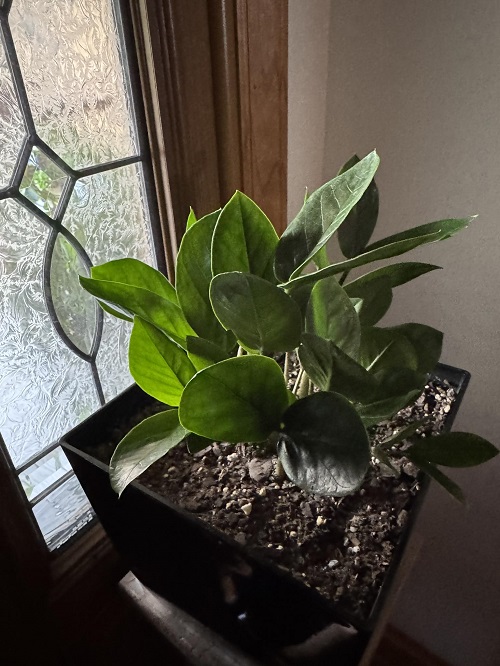
One of the most common reasons why your ZZ plant isn’t growing is simple: it’s not getting enough light. ZZ plants are famous for tolerating low-light rooms. But when the plant doesn’t receive enough sunlight, it slows down the process of growth. Your plant will look healthy, but there won’t be any new stems or leaves popping up.
To fix this problem, you can move your plant closer to a brighter spot – ideally near a north- or east-facing window where it will receive bright, indirect light throughout the day.
Tip: If your home is naturally dark, a small LED grow light
2. Its Too Crowded
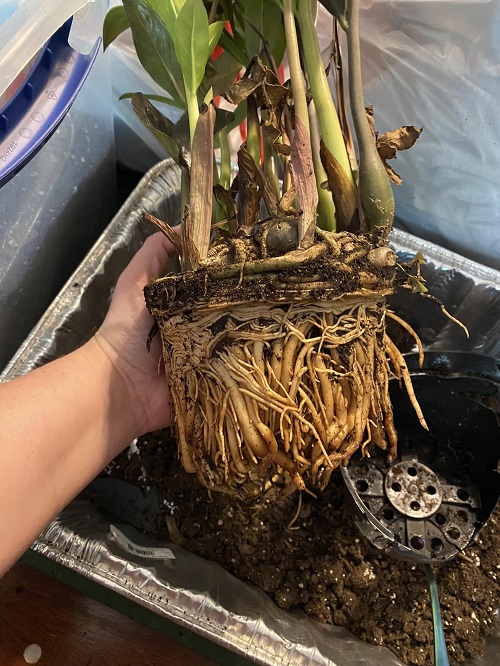
Have you thought of repotting your ZZ plant? If your plant has been sitting in the same pot for a very long time, then there might be no space left for the roots to grow. A tight pot restricts airflow, reduces nutrient availability, and makes water distribution uneven—all factors that directly slow down the growth of your plant.
Choosing the right pot is the key; you can use a slightly bigger pot. An oversized pot will not be helpful, as it holds moisture for too long and causes root rot.
3. Watering Too Much Or Too Little
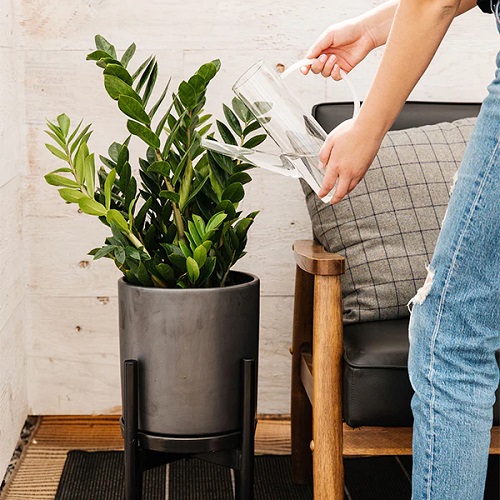
Watering correctly is the fastest way to help your ZZ plant grow faster. As a plant parent, you might tend to stress about your plant not getting enough water, but in the case of the ZZ plant, you need to worry about over-watering it. Remember, the thick stems store water.
To overcome this issue, let the soil dry out completely between waterings. Always use pots with drainage holes to prevent waterlogging and root rot.
4. Not The Right Soil
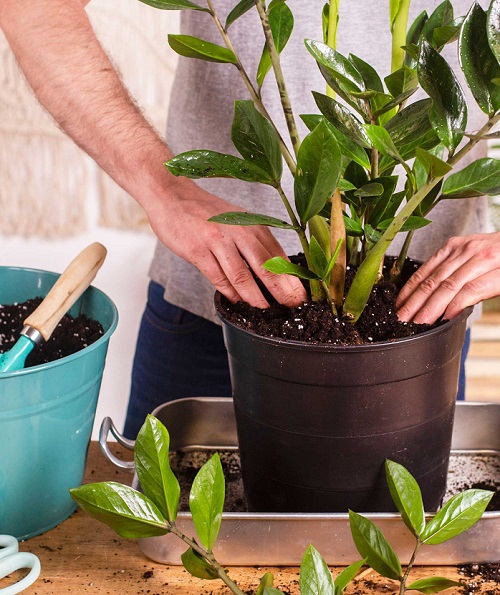
ZZ plants thrive in well-balanced soil with organic and inorganic components for optimal drainage and moisture. Add around 30% perlite or coarse sand to keep the mix loose and prevent the soil from compacting. This small adjustment helps excess water drain quickly and allows plenty of oxygen.
Once your ZZ has the right soil, you’ll often notice a dramatic improvement – firmer leaves, healthier roots, and new shoots appearing at the base.
5. Not A Cold-Hardy
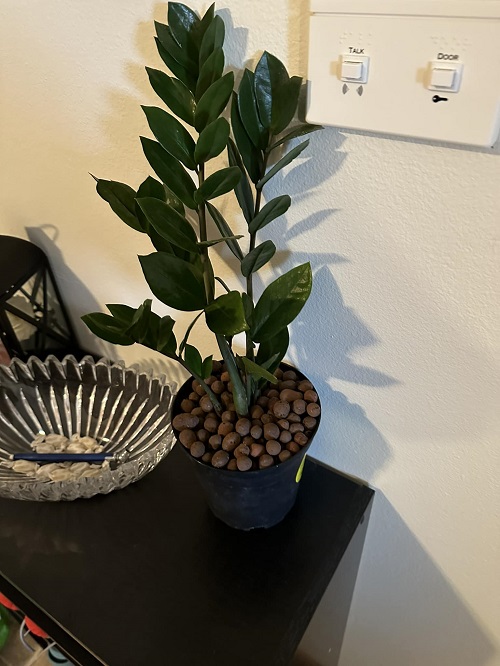
ZZ plants grow best between 65–85°F (18–29°C). Temperatures below 60°F (15°C) slow down their growth. As ZZ plants come from warm, tropical regions, they adapt well to indoor life, but they slow down dramatically when temperatures drop below their comfort zone.
This can be fixed by moving your ZZ plant to a warmer, more stable location in your home. Choose a spot with consistent temperatures and away from sudden cold air movements.
6. Plant Food
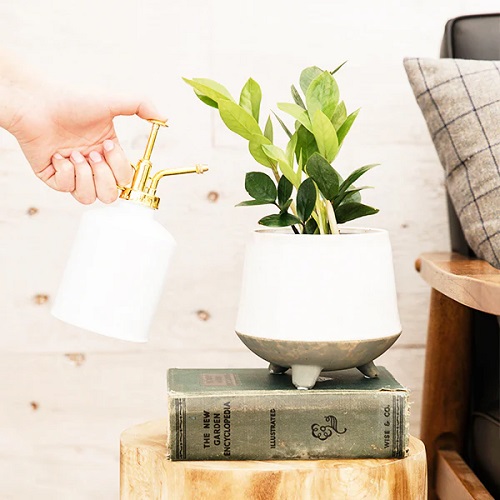
Think of fertilizer as the secret sauce that keeps your ZZ plant happy and healthy. There are two main types: organic and synthetic.
For ZZ plants, a liquid fertilizer is a good choice. It’s easy to dilute and gets to the roots quickly. But be careful not to overdo it. Too much fertilizer can lead to a condition called fertilizer burn. It’s like a food coma for your plant, and trust me, it’s not pretty.
Better light, proper soil structure, the right watering routine, and a stable, warm environment are often enough to wake up the rhizomes and encourage new shoots. Remember – ZZ plants grow slowly by nature, so patience is a big part of the process. But when you give them the ideal conditions, your plant will reward you with strong stems, glossy leaves, and steady, healthy growth throughout the active season.
Try following this guide, and let us know in the comments the journey of your ZZ plant thriving.