
As an Amazon Associate, we earn a small commission from qualifying purchases — at no extra cost to you.
Hold on. Are you seeing some yellow leaves, crispy edges, or drooping stems on your houseplant? Then it is not dead; it just needs saving.
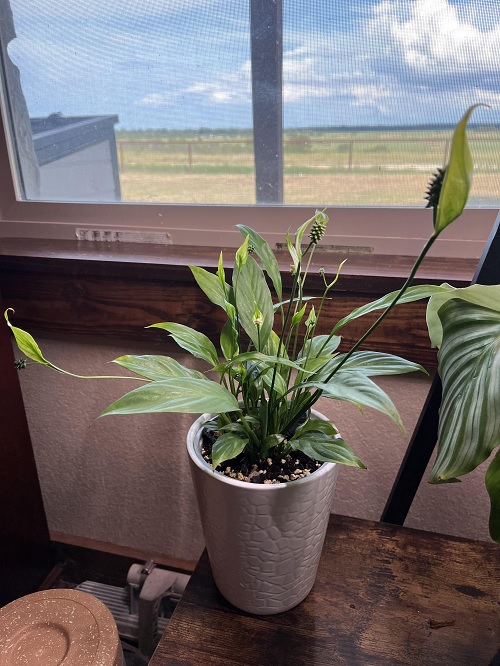
Houseplants have their own sweet way of telling us that something is wrong. Though their ways are generally not sweet, at least they are reversible. But only when you have what it takes to reverse it. Read this to find out what you need.
Trying to bring a struggling houseplant back to health? Browse our Amazon Gardening Storefront for moisture meters, fertilizers, grow lights, pots, potting mixes, pruning tools, and other plant-care essentials.
Check for these Problems and Run to these Solutions
Yellow Leaves? Check Water and Nutrients
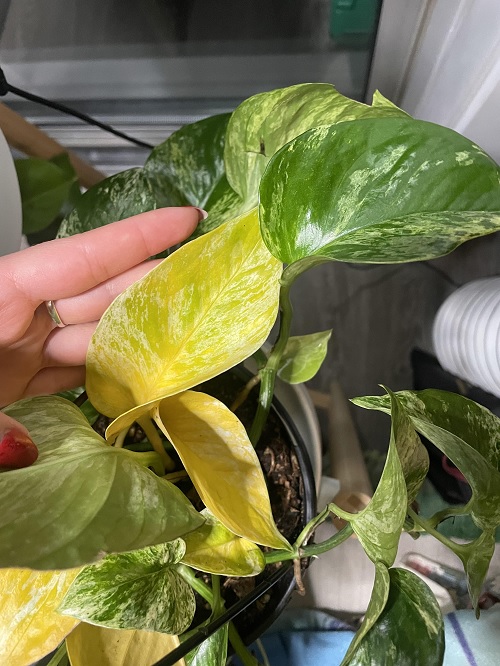
Now, yellow leaves can have several causes, like overwatering, poor drainage, insufficient light, or nutrient problems, so keep the fertilizer down.
Check the soil with a moisture meter. If the soil is staying wet for too long, reduce watering and see if the pot has adequate drainage.
If moisture levels are appropriate and the plant is producing pale, weak new growth, it may need nutrients. A balanced fertilizer such as Osmocote Smart-Release Plant Food Plus can provide general-purpose nutrition when used according to the product instructions.
Before adding fertilizer, check the soil first. A moisture meter is a small investment that can prevent repeated overwatering mistakes.
Brown or Crispy Leaves? Look at Water and Light
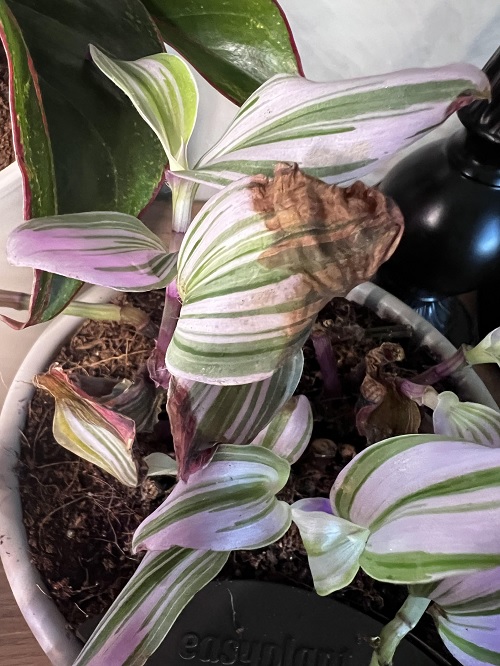
Brown and crispy leaf edges are common when plants experience inconsistent watering, very dry conditions, excessive dry sunlight, or insufficient moisture around the roots.
Check the soil before watering and move the plant away from harsh direct sunlight if its leaves are showing signs of scorch.
For rooms with inadequate natural light, an LED grow light can supplement available light and support healthier growth.
If your plant is sitting in a dim corner, don’t keep guessing whether it needs more water. Fix the lighting first with a suitable grow light.
Weak, Leggy, or Slow Growth? Improve Light and Feeding
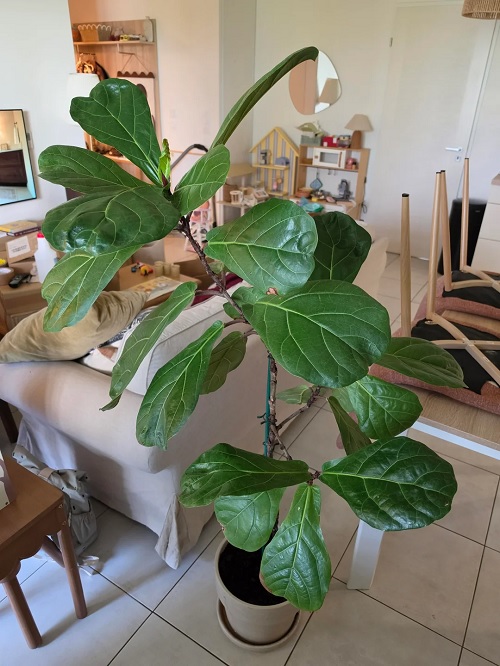
Noticing long, thin stems, small new leaves, or very slow growth can indicate inadequate light. Move the plant closer to a suitable window or use a grow light when natural light isn’t sufficient.
Lighting, checked and appropriate? Let us go ahead and check if the plant needs feeding. A 20-20-20 Water-Soluble Fertilizer can help provide nutrients during active growth.
Avoid increasing fertilizer concentration simply because the plant looks weak – too much fertilizer can damage roots.
Pests? Isolate and Treat Early
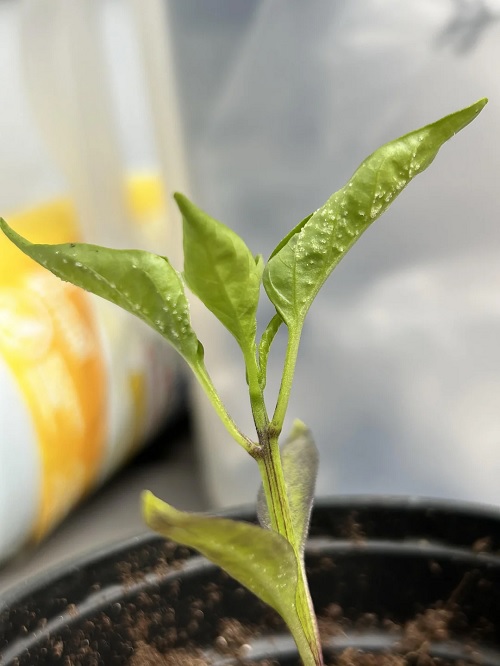
Did you catch tiny insects, sticky residue, distorted leaves, or damaged foliage? Time to attack the attackers and get rid of the pests, it could be spider mites, aphids, or mealybugs.
Start by isolating the affected plant from your other houseplants. Check the leaves, stems, and undersides, then follow a plant-specific pest-control approach.
Do not wait for the infestation to spread through your collection. If you spot pests, isolate the plant and start the treatment immediately.
Building your plant-care kit? Try Prime for free, if eligible, and make it easier to order the essentials you need as you work through your plant problems.
Root Rot? Repot Before It’s Too Late
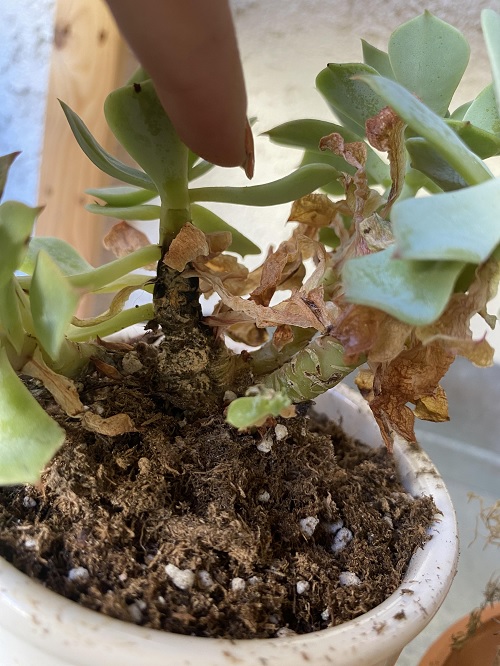
Hey, do you also see the mushy, dark roots with a foul smell coming from the soil? Oh, and are there rapid yellowing leaves?
Root rot has taken over.
Remove the plant from its pot and inspect the roots. Trim away severely damaged roots using clean pruning shears, then repot the healthy portions in fresh, well-draining indoor potting mix and a container with drainage holes.
And we are not reusing that soil. If the roots are in soggy soil, buy fresh potting mix and a suitable draining pot.
We think now we know the thumb rule, and that is to diagnose before you treat. Do not fertilize an overwatered plant, or water a plant just because the leaves are drooping. Your plant may not need a replacement, but just a substitute for your previous regimen. Let us know how it turned out for you in the comments below!
Want to get better at diagnosing plant problems? Explore houseplant care and troubleshooting books for practical guidance on watering, lighting, pests, repotting, and everyday plant care.