
As an Amazon Associate, we earn a small commission from qualifying purchases — at no extra cost to you.
Training climbing roses on arches? Then avoid these common mistakes to ensure that their development isn’t compromised as they grow.
An arch covered with climbing roses sounds romantic, but it can be a tough job if you still don’t have the basics down. But hey, don’t you worry, we have some common mistakes that gardeners generally make, which you can avoid to grow these flowers healthier, fuller, and dreamier.
Ready to train your roses without the shopping hassle? Go through the gardening products we’ve listed for useful plant-care tools, supports, and essentials to help you create that dreamy rose arch. Or browse our Amazon Gardening Storefront for more plant-care tools, garden essentials, and useful finds to make growing a little easier.
Mistakes to Avoid When Training Climbing Roses on Arches
1. Choosing the Rose That Isn’t Meant for the Job

A tall rose isn’t necessarily a climbing one. For an arch, choose a genuine climbing variety with a growth habit suited to the size of your structure. Check its mature height, flowering habit, sunlight requirements, and suitability for your climate before buying.
2. Don’t Underestimate How Heavy a Mature Rose Can Become
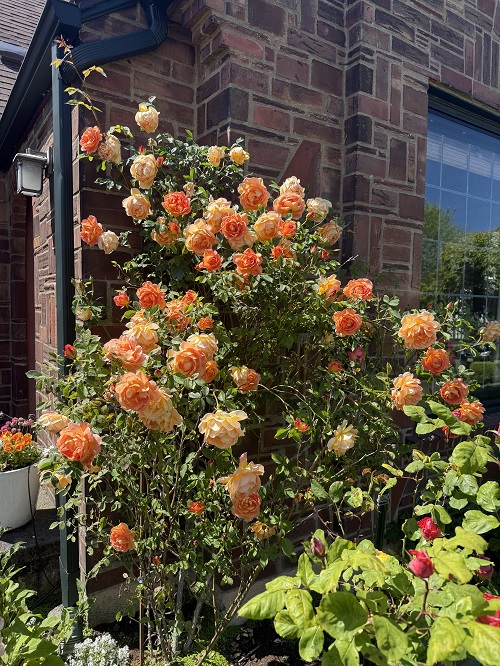
That delicate-looking arch has to support more than flowers. Mature woody stems, leaves, blooms, and rain-soaked foliage can put considerable weight on the structure. A weak or poorly anchored arch can eventually bend, wobble, or fall. So, install the support before the rose needs it and make sure it is firmly secured.
Give your climbing roses the support they need – shop sturdy garden arches and plant supports to create a strong framework for healthy growth.
3. Planting in the Wrong Spot
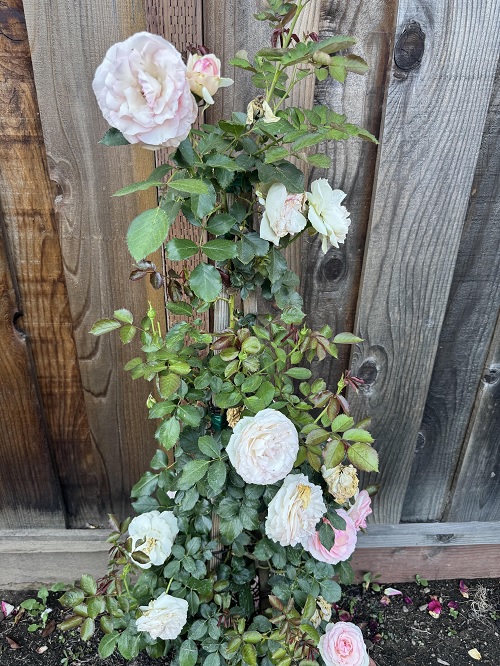
Both extremes will cause problems. Plant too close to the arch’s base, and the structure can interfere with root development and maintenance. Plant too far away, and young canes may struggle to reach the support while they are still flexible. And the ideal distance? It completely depends on the arch, soil, and rose. But roughly 12 inches is a good starting point. And make sure to keep room for the roots.
4. Forgetting Rose’s Basic Needs

An arch wouldn’t change your rose’s typical needs. Give it suitable, well-drained soil, adequate sunlight, regular watering during dry periods, and appropriate feeding. Roses growing beside structures can dry out more quickly because of reduced rainfall reaching the soil.
Remember: A struggling rose won’t suddenly bloom just because you have trained it beautifully.
5. Letting Every Cane Grow Straight Up
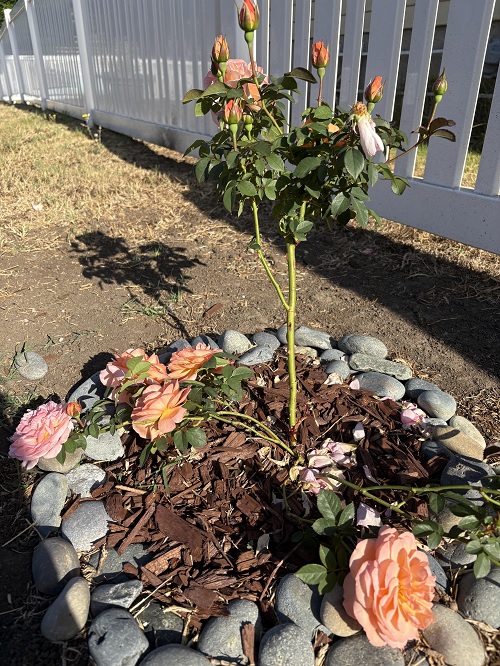
This is the greatest mistake. If the main stems are trained vertically, you can end up with the flowers concentrated towards the upper growth while the lower arch remains there. Instead, gently fan or spiral the main canes around the structure, keeping them as horizontal as practical. This encourages flowering side shoots along the length of the cane.
Guide every new cane in the right direction with flexible plant ties and garden training supplies designed to make rose training easier.
6. Waiting Too Long to Train New Growth
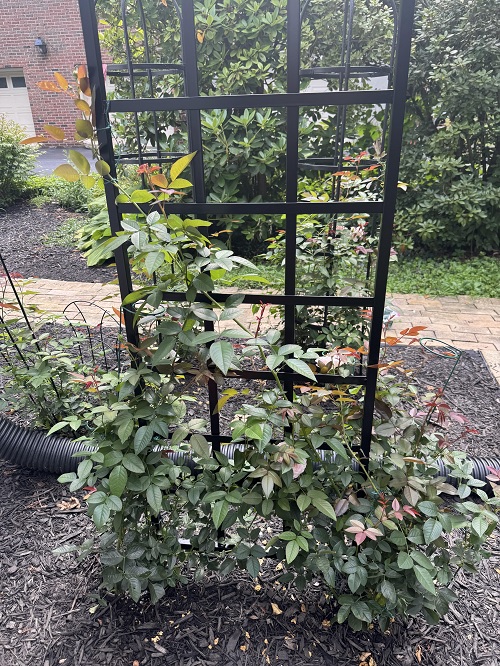
Young rose stems are flexible. Older woody canes are a little harder to reposition. So don’t wait until a cane has already decided where it wants to grow. Guide new stems while they are young and secure them regularly as they extend.
7. Using Wire, Zip Ties, or Tight Fasteners
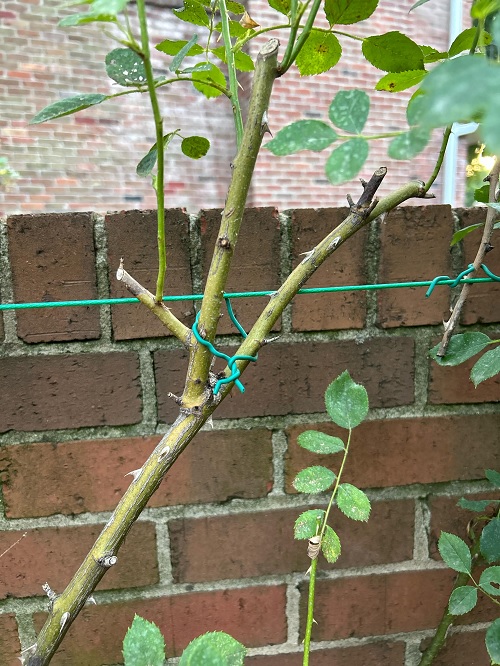
A tie that seems harmless today can become painfully restrictive as a stem thickens. Avoid materials that cut into growing canes. Soft garden twine or suitable flexible plant ties are safer, and ties should be checked regularly while the rose grows.
Protect growing stems while keeping them neatly secured – shop soft plant ties and gentle garden supports for your climbing roses.
8. Allowing the Stems to Cross Everywhere

A few crossing canes might not look problematic when they are young. Later, you’ll have a dense, thorny knot that is difficult to prune and poorly ventilated. Space the main stems across the arch rather than stacking them in one area. Even spacing gives you better coverage and helps maintain airflow.
9. Pruning Without Knowing What You’re Cutting

Don’t treat every long branch as something that needs removing. The main canes form the framework of your arch, while side shoots produce much more of the flowering. For established climbing roses, remove dead, diseased, or weak growth, tie in useful new shoots, and prune spent side shoots appropriately. Heavily congested plants may also need some older branches removed to encourage new growth.
Make seasonal rose care easier with the right pruning shears and gardening tools for clean, controlled cuts.
10. Ignoring Pests and Disease Until the Arch Looks Sick
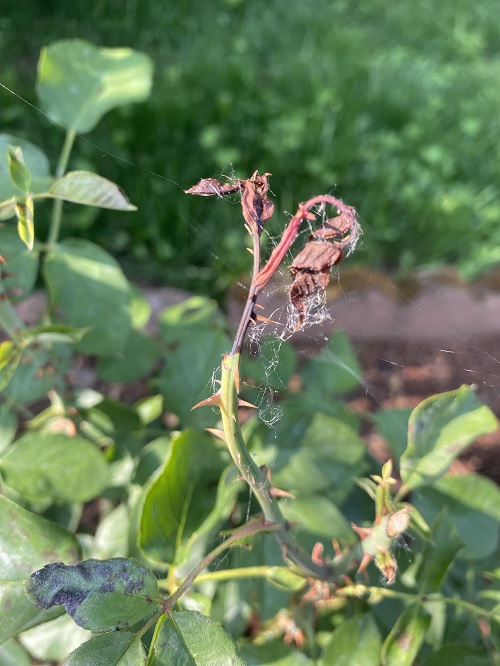
A dense rose canopy can hide problems surprisingly well. Check your plant regularly for aphids, sawfly damage, black spot, powdery mildew, rust, distorted leaves, and unusual leaf drop. Early inspection makes it much easier to deal with problems before they spread through the entire canopy.
Keep your rose arch looking healthy from the roots to the blooms – browse plant-care and gardening essentials for routine maintenance.
11. Do not Force Perfect Symmetry
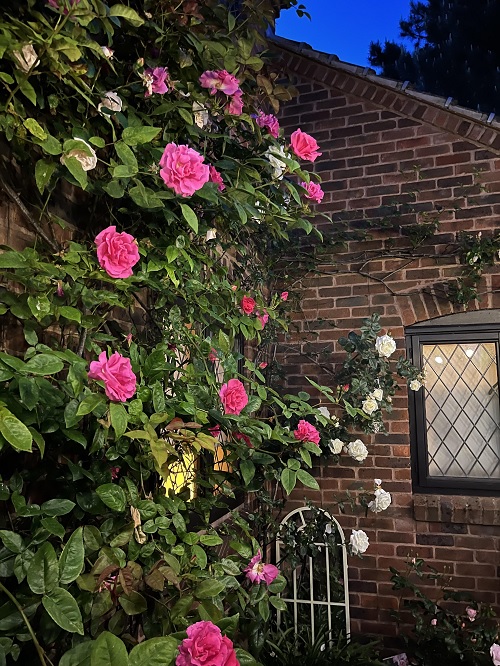
A rose isn’t going to grow identically on both sides of an arch. Differences in sunlight, soil, moisture, and natural vigour can make one side develop faster. Rather than constantly cutting the stronger side back, use training to direct new growth toward empty sections.
Remember: Aim for balanced coverage, not identical growth.
12. Expecting A Flower-Filled Arch in One Season

This is the mistake that tests every gardener’s patience. A young rose may look completely inadequate against a large arch. And that’s normal. Strong roots and a permanent framework need time to develop, and the finished effect may take several growing seasons. Keep training new growth instead of trying to force instant change.
Want to become more confident with roses and other garden plants? Pick up a beginner-friendly gardening book for practical growing, pruning, and plant-care guidance.
Don’t fight the rose, but guide it. And that takes time, but if you have come to the end of this article, we are sure you are ready to take the first step. Let us know in the comments below!