
As an Amazon Associate, we earn a small commission from qualifying purchases — at no extra cost to you.
Your plants can feel fall checking in. Now the air is chilly and its time to transition our houseplants from summer to fall. But cautiously!
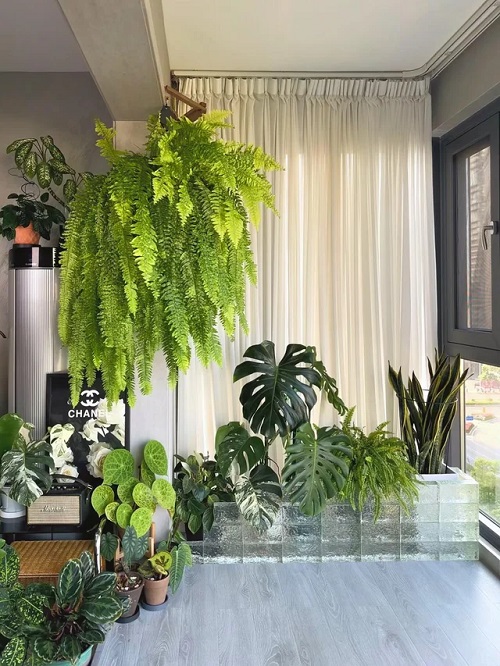
The days get shorter, sunlight shifts, temperature drops, and the indoor air can become drier. A plant that happily needed water every few days in summer may suddenly sit in damp soil for much longer. That is why fall plant care isn’t about doing more, but it is about noticing that their needs have now changed.
How to Transition Houseplants from Summer to Fall
1. Check for Pests
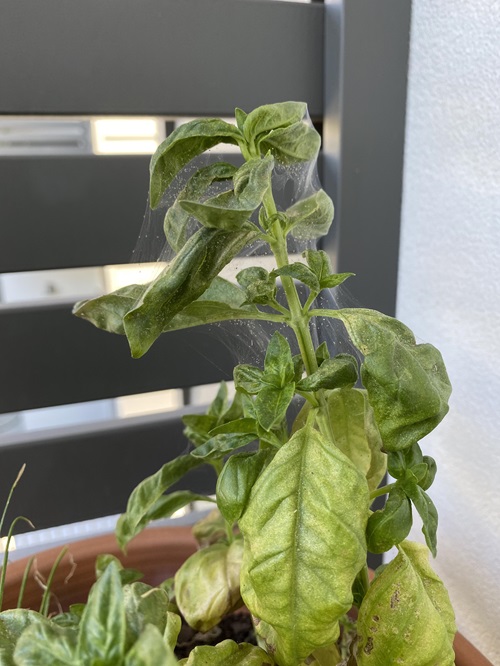
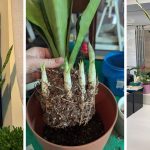
If your plants have spent summer on a balcony, patio, or windowsill, inspect them carefully before you move them indoors. Check under leaves, along stems, around leaf joints, and even across the soil surface for aphids, mealybugs, scale, spider mites, or whiteflies.
Give the foliage a gentle rinse and let it dry completely. If you spot pests, then keep the plant separate from others and treat it first. For stubborn infestations, an insecticidal soap can be a useful addition to your plant-care kit.
Spotted an unwanted visitor? Keep your plants protected with a gentle insecticidal soap that’s handy for your regular plant-care routine.
2. Don’t Bring Them from Full Sun to Dark Rooms Suddenly
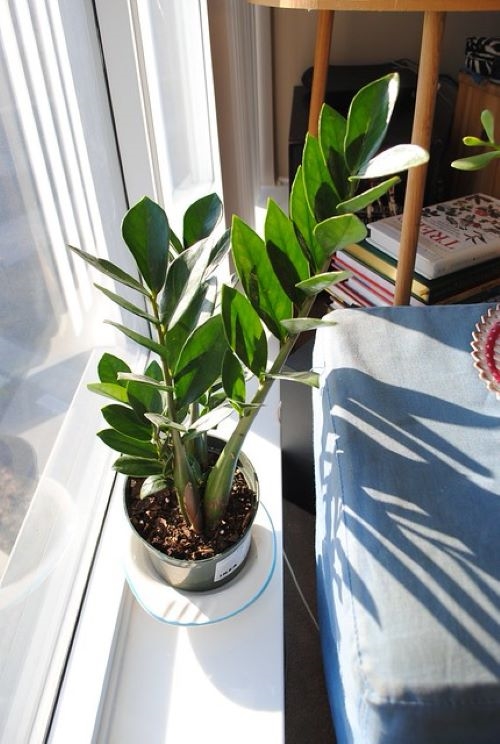
If you don’t want to stress your plant, then don’t do this. Outdoor light is stronger than most indoor light. A plant that spent months under the sun and in bright outdoor conditions may struggle when suddenly placed several feet away from a window.
Gradually move your plants indoors before giving them a swift shift. A one-to-two-week transition can help reduce light shock and leaf drop. Once they are finally inside, choose the best spot for them, or support them with full-spectrum grow lights.
Not getting enough natural light indoors? A full-spectrum grow light can help your plants adjust to their new indoor spot as the days get shorter.
3. Say No to Summer Watering Schedule
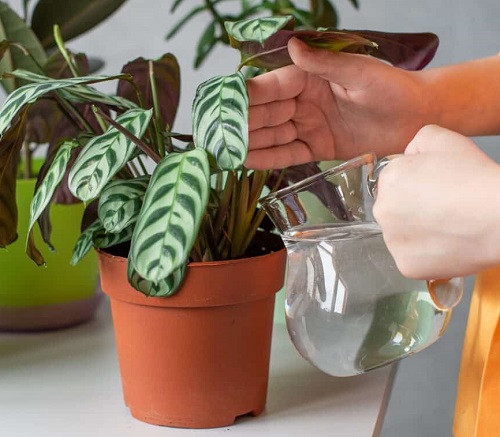
Stop. Don’t overwater your plants, considering that your current routine is what they need. As temperatures cool and growth slows, plants generally use less water. Because of this, soil can remain moist for longer than it did during summer. Don’t water simply because it’s another watering day; check the soil first.
Make fall watering easier with a simple soil moisture meter so you can check the soil before reaching for the watering can.
4. Stop and Rethink Fertilizing
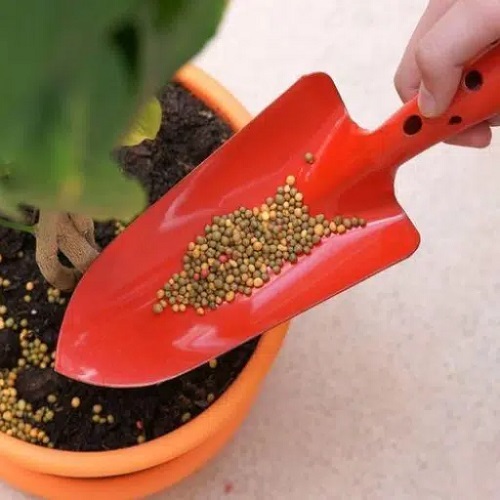
Summer is typically the season of new leaves and rapid growth. But fall is different. As the light levels decrease, many houseplants slow their growth significantly. So if you continue an aggressive summer fertilizing routine, you may unintentionally weaken their growth or contribute to a fertilizer buildup.
For many houseplants in fall, feeding can be reduced or paused as growth slows, and eventually resumed after active growth returns.
When your plants slow down, it helps to have the right indoor plant fertilizer ready for when active growth returns.
5. Prepare for Drier Indoor Air
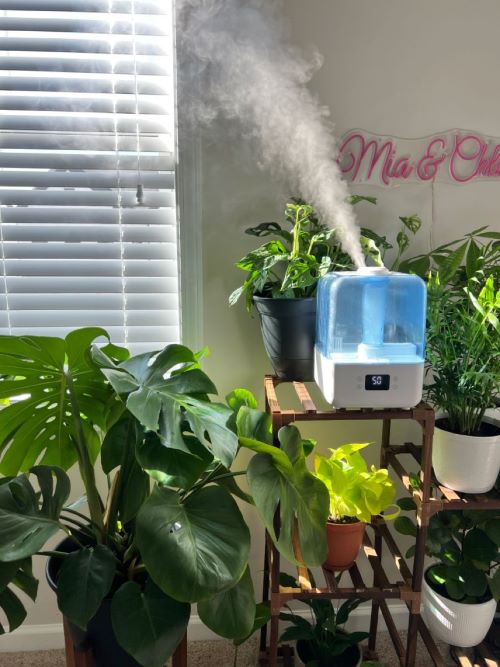
If your home becomes noticeably dry during cooler months, tropical plants may show it first through crispy edges, curling leaves, or increased pest problems. Grouping plants can create a slightly more humid microclimate. Bathrooms and kitchens can also work well when they provide adequate light.
If your tropical plants struggle with dry indoor air, a small plant humidifier can help create a more comfortable growing environment.
6. Autumn Cleanup
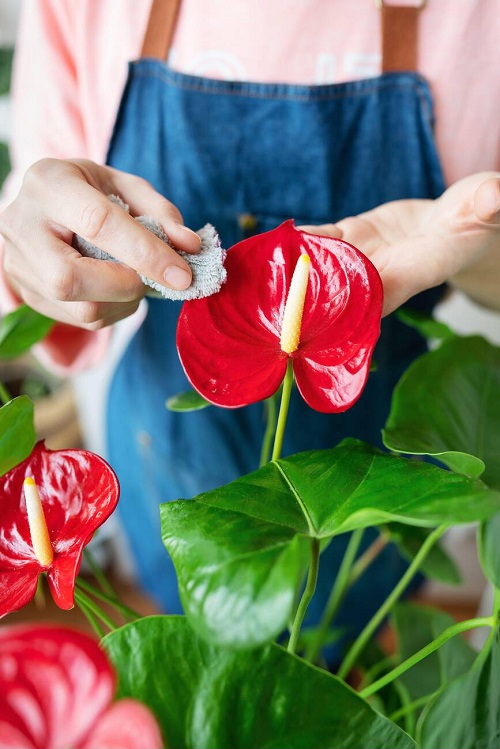
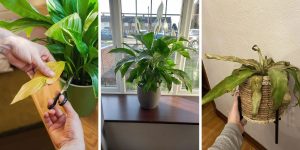
Remove dead or badly damaged leaves, wipe dusty foliage gently with a damp cloth, and inspect stems and soil one more time. If a plant genuinely needs repotting, fall can be the last practical opportunity before growth slows down for winter. Just do not turn autumn cleanup into a complete makeover. Go slow and be careful.
Give your plants a fresh start with a plant-care tool set featuring pruning scissors, a leaf-cleaning brush, and other everyday essentials.
Following your summer routine for your plants in fall is a big no. Fall is the time for a quiet rest with less watering, feeding, and thoughtful light. Keep a check on pests and make sure they are happy and healthy, and that is all. Let us know in the comments below how your plants are feeling this fall.
Want to make plant care easier all year? A practical houseplant care book can help you understand seasonal changes, watering, light, and everyday plant problems without guessing your way through them.