
As an Amazon Associate, we earn a small commission from qualifying purchases — at no extra cost to you.
Noticing blisters or corky spots on indoor plants? Don’t panic! Learn what causes edema on houseplant leaves and how to fix it.
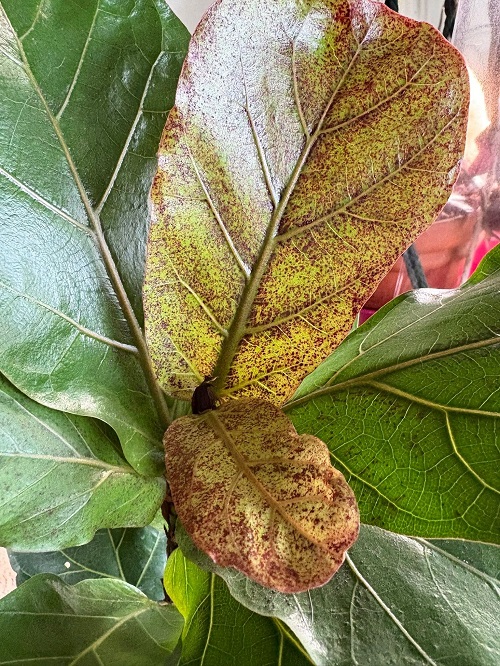
Strange blisters or raised spots on leaves are one of the most misdiagnosed indoor plant issues. Plant parents often mistake them for a devastating pest attack and jump to bug sprays. So before you make the same mistake and stress your already distressed houseplant, read this guide to learn if your plant is actually suffering from edema and how to treat it to preserve its lush foliage.
Ready to Help Your Houseplants Bounce Back? Visit our Gardening Essentials Storefront today and equip your indoor garden with everything it needs!
What Exactly Is Edema on Houseplant Leaves?
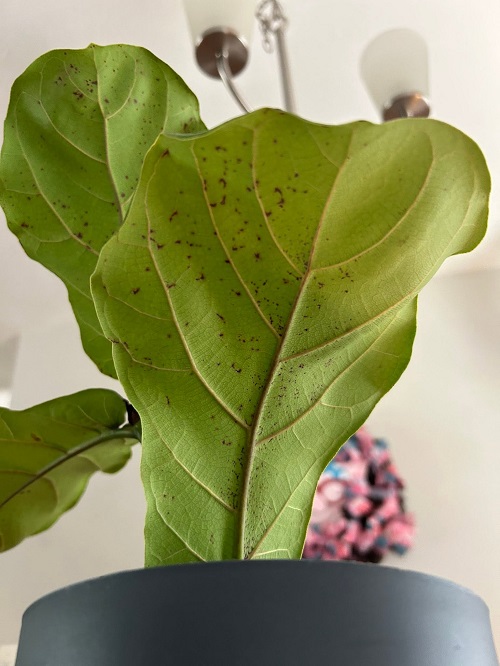
Edema (or oedema) is a physiological disorder in houseplants, in which plant cells swell and may rupture due to excess water pressure.
As a plant parent, you know plants take up water through their roots and expel excess water through tiny pores on their leaves—the stomata.
But often, due to unhealthy watering habits or environmental shock, roots take up more water than the leaves can transpire. Now, you may guess what happens when all that water is trapped in plant cells! The poor cells give up and burst out, resulting in edema.
Give your leafy buddies the ultimate spa day! Discover incredible deals on moisture meters, breezy oscillating fans, and well-draining soil mixes starting at just $2.99 with Amazon Haul!
Causes of Edema on Houseplant Leaves
Over-Watering
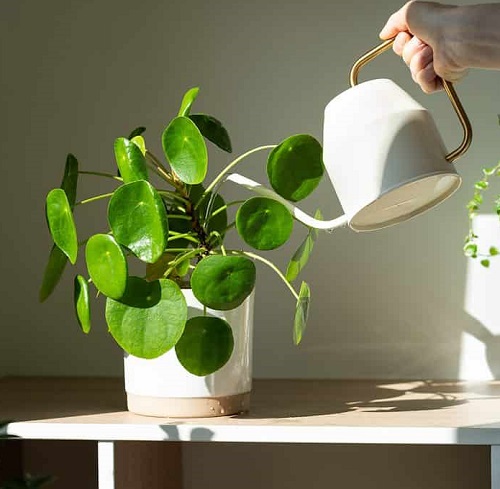
When you overwater your houseplants, you unintentionally expose them to several risks.
The longer the soil stays soggy, the greater the risk of root problems and excess water uptake relative to transpiration. This can create pressure on leaf cells as water accumulates in them.
Tip: Water plants only when the top 1-2 inches of soil dries out. However, for succulents, you can let the pot dry out before re-watering.
Ready to Stop Guessing When to Water? Track your soil moisture like a pro! Grab a reliable soil moisture meter on Amazon
High Humidity
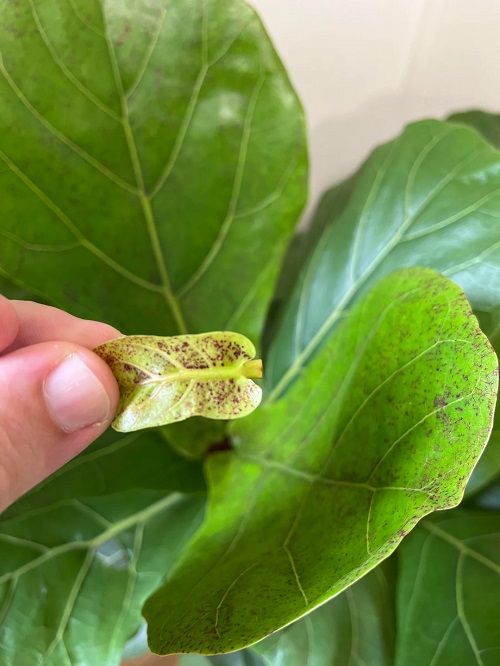
High humidity results from elevated moisture levels in the ambient surroundings. With so much moisture already trapped in the air, the plant’s transpiration level drops and water builds up in the cell.
Stagnant Air
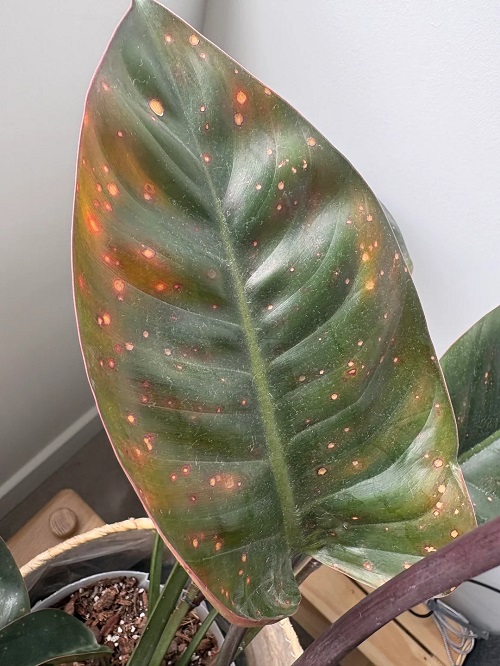
When high humidity combines with stagnant airflow, it’s the ultimate recipe for edema. With little air movement, humidity around the leaves can remain high.
Tip: To prevent stagnant air, you can use an oscillating fan to improve airflow and reduce moisture buildup around the leaves.
Low Light
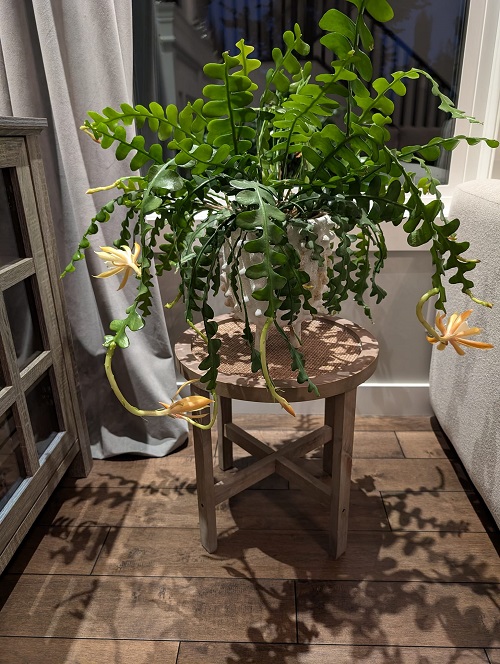
Plants’ water use and transpiration may decrease in low light. When water uptake exceeds transpiration, excess water can accumulate in leaf cells and contribute to edema.
Ready to Give Your Plants a Sun Boost? Fix low light and speed up plant metabolism! Grab energy-efficient LED grow lights.
5 Ways to Treat Edema on Houseplant Leaves
Unfortunately, you cannot get rid of the existing edema spots on leaves. But here is the good news—edema itself does not spread from leaf to leaf. Therefore, you can fine-tune your plant care to prevent troublesome blisters on newer leaves.
Tip: If advanced edema is restricted to a single leaf, it is safe to prune it.
Regulate Soil Moisture
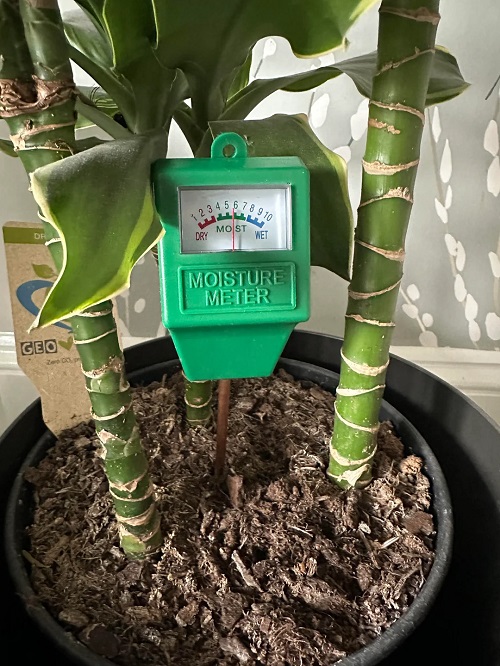
Water plants based on their needs and not your pre-fixed schedule. Check the topsoil dryness or use a soil moisture meter before reaching for the watering can.
Adjust Lighting
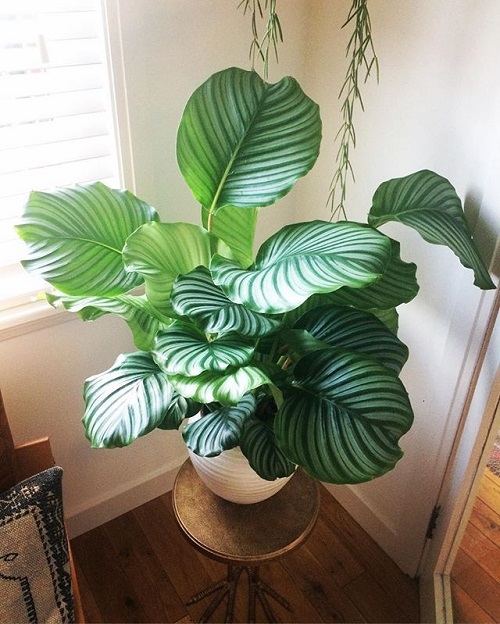
Ensure plants gets light as it needs. Don’t keep it in too bright or too little light since both are equally evil choices.
Ensure Proper Draining
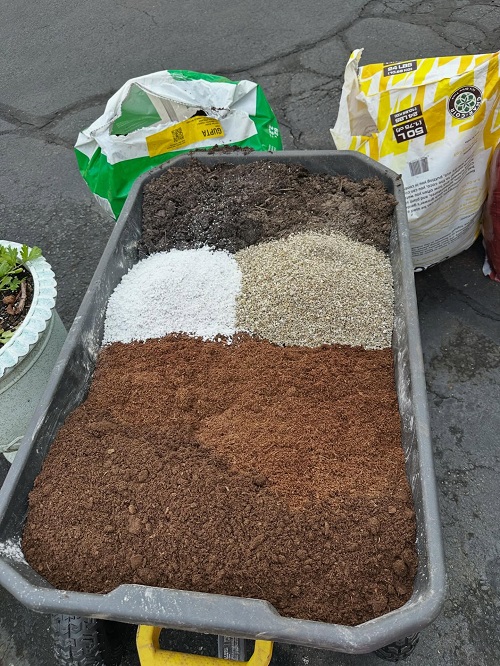
Use appropriate potting mix with a blend of orchid bark, organic perlite, or sphagnum moss to support drainage.
Boost Airflow
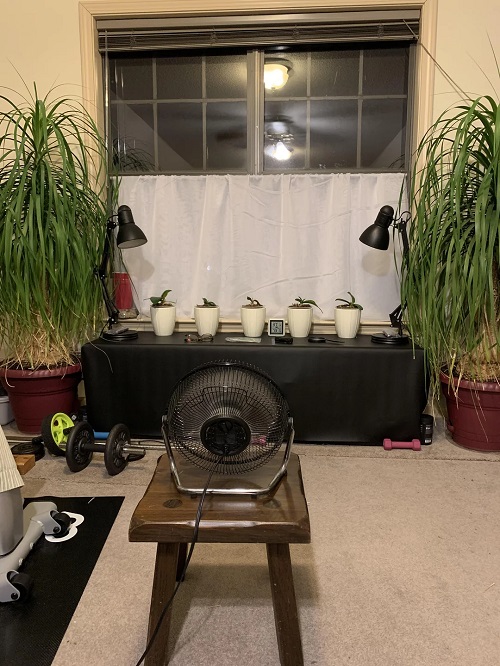
Use an oscillating fan that fits your indoor aesthetics to keep the air flowing. This wicks off any trapped moisture around plants, allowing them to transpire easily.
Manage Indoor Humidity
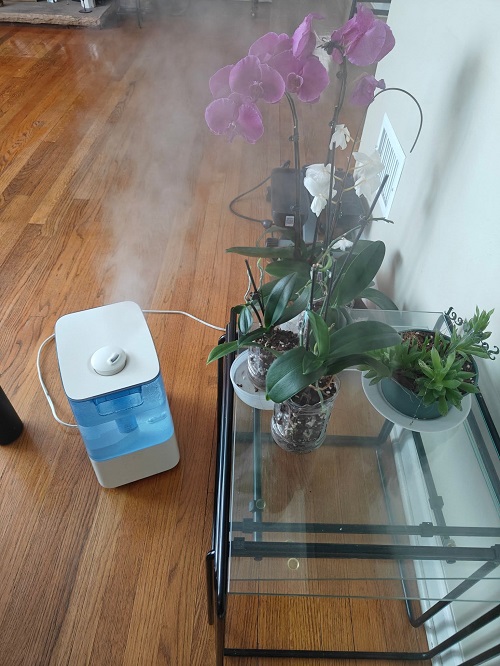
Indeed, many indoor tropicals love humidity. But remember that high humidity paired with stagnant air invites edema. So balance humidity by ensuring proper ventilation.
Ready to Keep Tabs on Your Air Quality? Monitor your indoor plant room’s moisture levels and keep humidity in check with a digital hygrometer to prevent plant stress!
Finding blisters on houseplant leaves can be a heartbreak because it snatches the beauty of the tropical foliage. But understanding what causes edema and how to fix it surely changes the game. Edema is your plant’s way of showing that water uptake and transpiration are out of balance. So fine-tune your plants’ surroundings and watch them bounce back with healthy (blister-free), happier leaves!
Stop relying on trial-and-error plant care. Dive into Houseplants: The Complete Guide to Choosing, Growing, and Caring for Indoor Plants to master everything from hydration cycles to troubleshooting leaf mysteries!