
As an Amazon Associate, we earn a small commission from qualifying purchases — at no extra cost to you.
Does it feel like your plant is on pause despite looking healthy? Find the cause and solutions behind this unusual stalled plant growth!
It can be quite confusing and frustrating to see that your plant refuses to grow in size or produce leaves or stems even though it seems to be perfectly healthy. Has someone frozen its ability to increase in size? No, the reasons are much more common than that. Read on and find out, and you may be able to restore your botanical buddy’s growth pace!
Factors and Fixes to Your Plant’s Stunted Growth
1. Less Sunlight = Less Growth
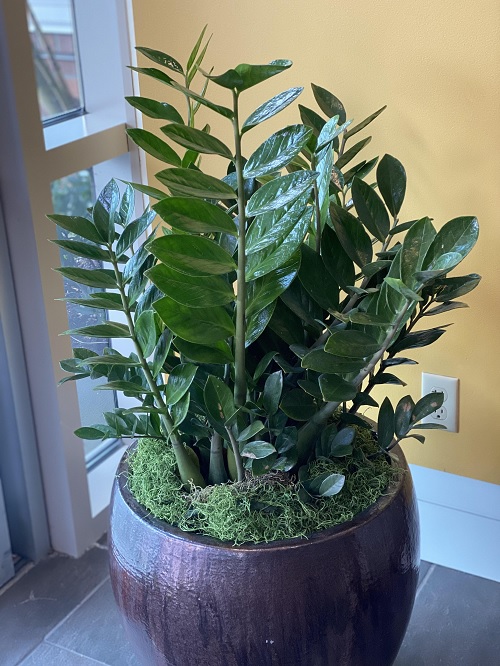
We all know that plants carry out the process of photosynthesis to generate energy and other by-products, and that is directly dependent on sunlight! With optimal sunlight, the plant can fuel all its essential biological functions, including growth.
In simple terms, plants direct the energy obtained from photosynthesis to produce new leaves, stems, and roots. In many cases, indoor light can be surprisingly weak, despite looking bright to us; hence, it is only able to maintain the plant’s appearance but not sustain rapid growth.
Solution
When you spot unusually long spaces between leaves, pale foliage, or stems stretching toward a window, it is your plant screaming for more sunlight, and it’s time to take action. Relocate your leafy friend closer to a suitable bright window or one that receives longer exposure to the sun (south-facing windows).
Pro Tip: You can even get creative and use grow lamps and strategically arranged reflective surfaces to direct maximum light to your houseplant.
2. Your Plant is Growing at its Own Pace
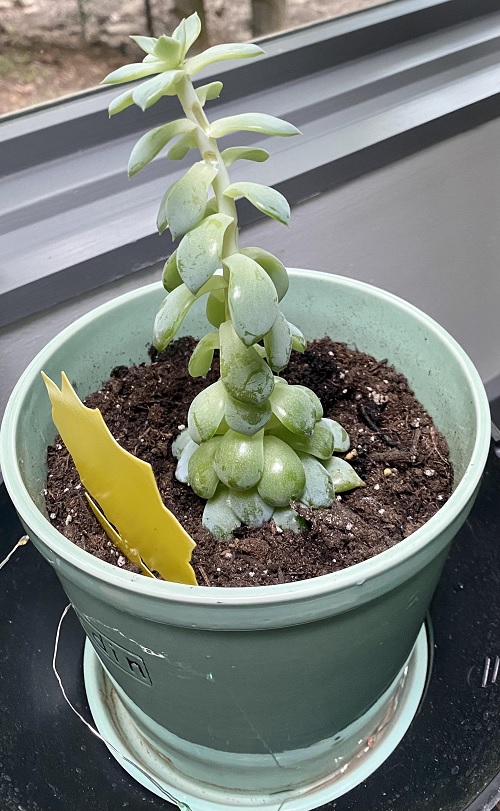
Growth is not a race between all species of plants. No two varieties grow exactly at the same pace. So, it may not be that your plant isn’t growing at all, but that it’s following its natural speed, which is considerably slower than others or your expectations.
Also, you must take the time of year into account when judging its growth speed. If your plant is dormant, it will slow down significantly. In fall or winter, plants biologically reduce their water and nutrient intake, which in turn affects their growth pace.
Solution
Would you force a child to run faster than a car, or would you work during a vacation? No, right? The same is true for plants. Patience is key! You must allow them to follow Mother Nature’s rules. No amount of external stimulation would bring about a drastic change in the growth speed. It may even cause additional problems.
Note: Before changing everything about your care routine, find out how quickly your particular plant is expected to grow. Slow growth isn’t necessarily unhealthy growth.
3. The Problem Lies Underneath
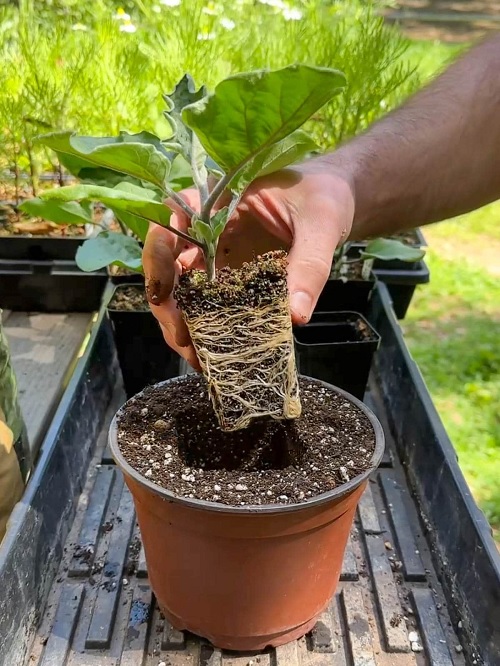
You may think your plant is doing well because of its beautiful foliage above the soil, but it may be struggling below! The wrong substrate type, a compact or over-saturated potting mix, might be just enough to keep your plant looking “healthy,” but the unavailability of oxygen and below-optimal nutrient absorption may be holding back its growth.
It can also be that your plant’s root system is constricted by limited space and is not able to perform at its maximum potential. Crowded roots can do the bare minimum to keep the plant alive, but not help it thrive.
Solution
Do your homework before growing a houseplant. Learn about its preferred soil type, water retention level, permeability, and air circulation. Based on all of these, choose a potting mix with the best texture and nutrient level.
Also, a root-bound plant will eventually need repotting. Choose a container only slightly larger than the rootball of the plant (in most cases 2 inches larger than the previous one) rather than drastically increasing the pot size.
4. Your Watering May Be the Culprit
Anything in excess can be fatal, including watering. Similarly, a plant kept slightly thirsty can maintain its current look but won’t support foliage expansion. When the soil is kept soggy for too long, it cuts off the oxygen supply and invites multiple diseases.
On the flip side, when the plant’s roots are not able to absorb enough water, they don’t get the right amount of nutrients required to produce more leaves, stems, and flowers.
Solution
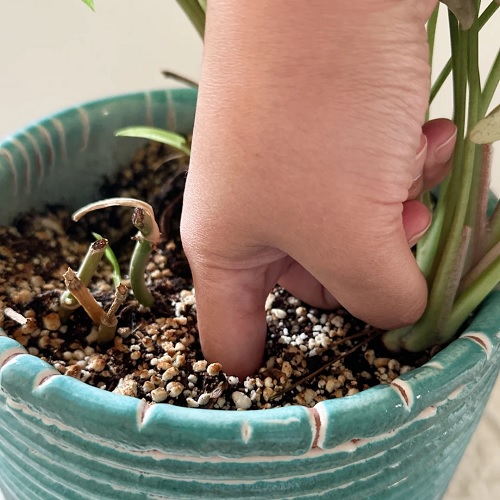
No size fits all when it comes to watering different plant species. Instead of watering according to a fixed calendar, check the potting mix and follow your plant’s specific moisture requirements. Insert your finger about an inch into the soil before watering. If it feels dry, then water the soil deeply and let it dry out completely before repeating the process.
Note: Ensure that the soil is well-draining and the pot has holes to allow excess water to seep out and not pool at the bottom.
5. Your Plant Wants Nutrients
Optimizing water and soil are just ways to ensure that the plant gets the desired nutrients to sustain growth. However, if your plant has been living in the same home for a very long time, the nutrients can have become depleted.
Nutrient deficiencies first affect the plant’s growth pace but later on can contribute to slow, pale foliage and weak stems. Hence, it is necessary to nip the problem in the bud.
Solution
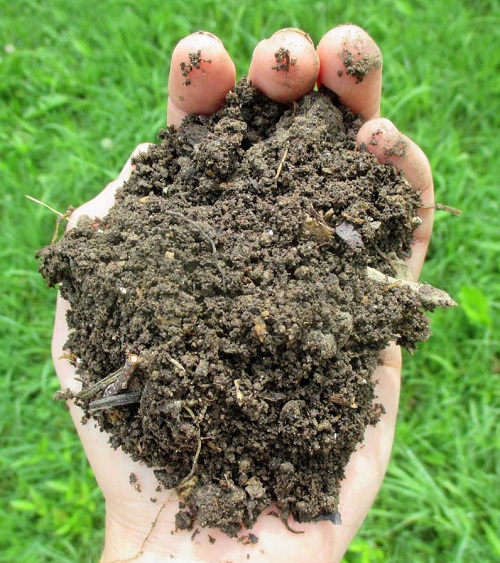
Most novice gardeners’ first step to combat nutrient deficiency issues is to overload the soil with fertilizer. More fertilizer does not automatically mean more growth. Excess fertilizer can damage roots and cause salt buildup in the potting mix.
You will have to determine if using nutrient supplements will fix the issue or if a complete replacement of the soil is needed. A new batch of soil will give your plant a fresh start and allow it to begin growing again.
Note: Feed the plant only during its active growing period with gentle kitchen waste fertilizers or follow the industrial fertilizer label.
6. Temperature or Location Could Be Holding It Back
Did you think cold or excess heat only affects humans? Plants too have preferred temperature ranges, and sudden temperature changes or cold drafts can interfere with growth. They can go into shock or completely halt growth, especially when exposed to cold drafts.
A plant placed beside an air conditioner, heater, or window can constantly force it to adapt and hence put additional stress on it.
Solution
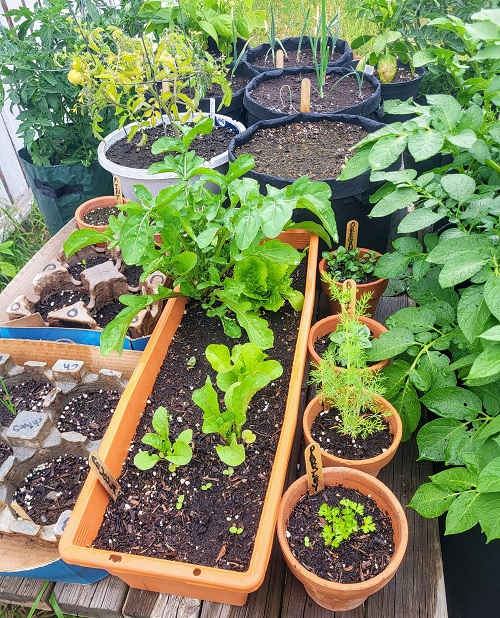
The fix is quite simple – choose a spot for your plant that is neither too hot nor too cold, and don’t move it often! Your plant will need time to adapt, and changing location before it does just restarts the process.
Note: You will also have to keep humidity in check. If a plant needs more to perform well, consider shifting it to kitchens or toilets where there are relatively higher air moisture levels.
7. Your Plant May Be Putting Energy Into Its Roots
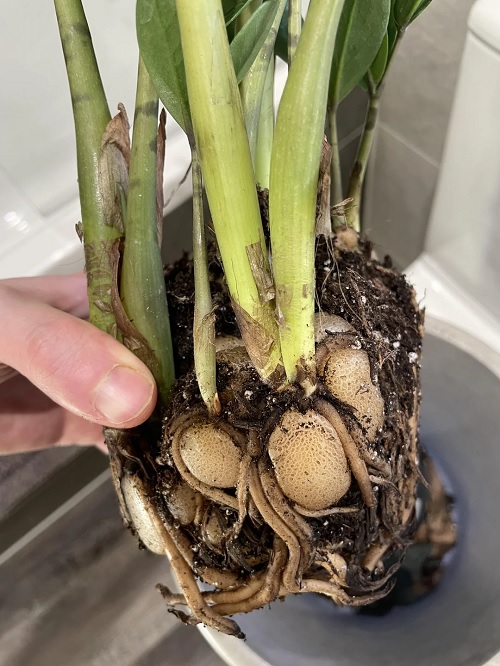
Sometimes, what looks like no growth above the soil does not mean nothing is happening. Plants usually prioritize root stabilization and growth as that is their foundation. So there is a high chance that the plant you feel has stunted is actually expanding underground.
After repotting, propagation, environmental changes, or periods of stress, a plant may devote resources to establishing or repairing its root system before producing new leaves.
Solution
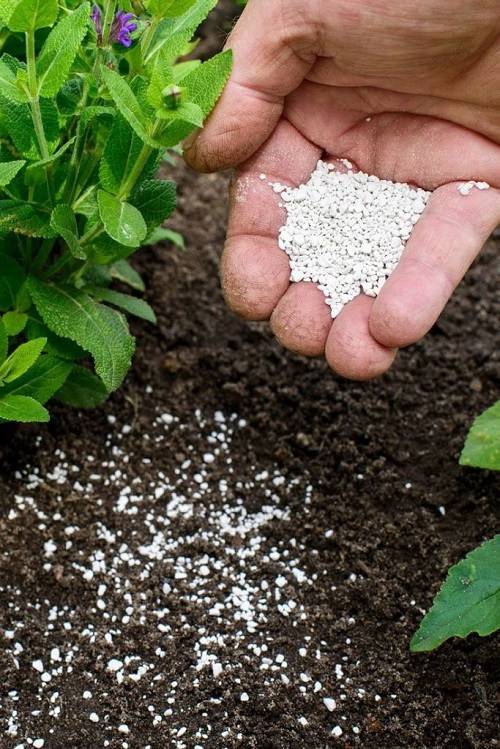
Patience is the name of the game! If you are sure that you are providing all the required growth conditions and the plant does not show any other obvious concerning signs, then it is best to let it settle down first. Do not overdo fertilization, changing locations, or watering during this period.
8. Shocked Plants Won’t Grow
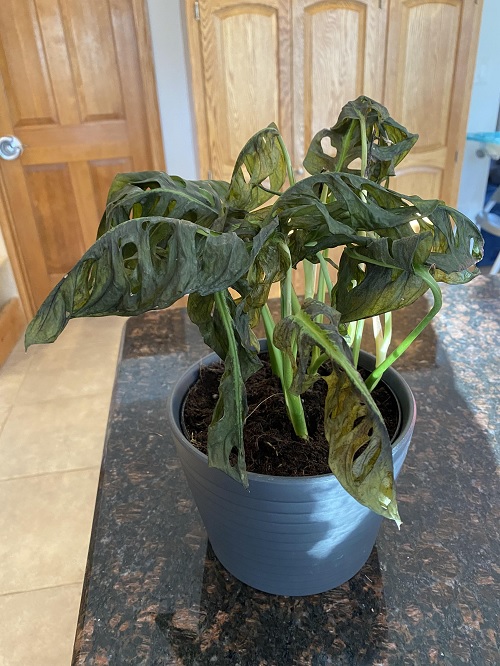
When a deer comes into the range of car headlights, it freezes. Similarly, when a plant is put under a traumatic or stressful situation, it goes into shock. And a shocked plant does not respond to stimuli. It will not grow and may even lose its existing leaves.
It is not sick but just rebooting. This can happen when too much of the plant is pruned at the wrong time, or it is recently repotted. At this sensitive time, care is necessary but not too much.
Solution
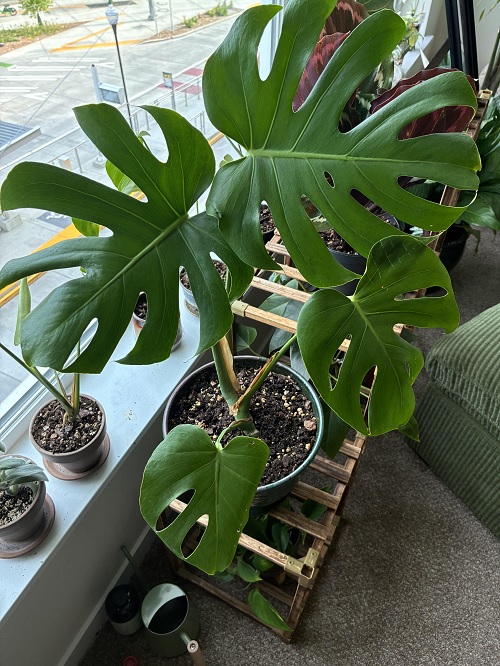
Again, you will need to let the plant settle in before expecting any growth. As previously mentioned, no growth or response to stimulus means that dumping fertilizers or water will not magically make it better. In fact, it can lead to salt buildup or overwatering issues.
Keep the plant comfortable in a brightly lit spot, and in a few weeks it will be back to normal!
A plant that looks healthy but isn’t growing often isn’t sick; it may simply be surviving rather than thriving. So now that you know what you must do to bring your botanical buddy back to life, let us know in the comments section what other issues you are facing with your houseplants, and we will surely help you out!