
As an Amazon Associate, we earn a small commission from qualifying purchases — at no extra cost to you.
See a bunch of leaves sprouting on your plant but can’t find any new stems? Learn why your plant is biased towards leaves and ignores stems!
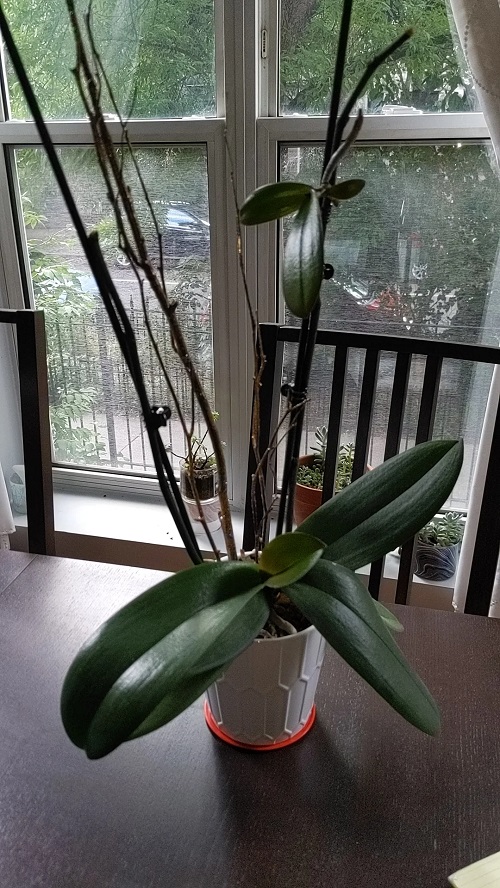
You might be puzzled when you look at a plant covered with lush new leaves, yet it refuses to grow any new stems. The question naturally arises: “Why Is My Plant Growing Leaves But No New Stems?” Does your plant not like stems? Are leaves a priority? Or does it have a limit to the number of stems? Learn the science behind this, and reduce your worries with this article!
Science Behind Plant Foliage Growth
You can’t find a solution or jump to conclusions before you know the basics of plant growth. This will help you spot things you must change, can alter, or don’t need to worry about at all.
1. How Do Leaves Usually Emerge?
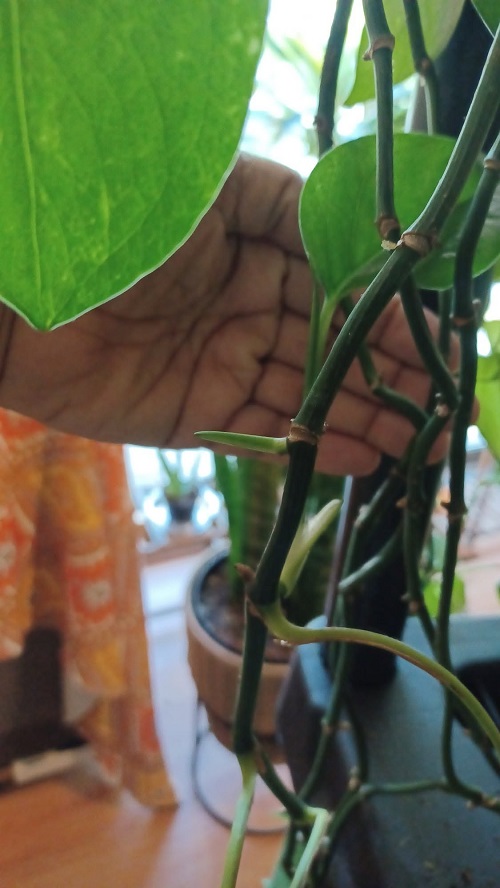
A leaf doesn’t require a seed to sprout, nor is its growth process triggered by something like pollination. A new leaf can emerge from an existing stem or growing point and does not need an entirely fresh stem to do this. In the beginning, many young houseplants produce leaves on the main stem before branching out.
Plants also have a unique behavior wherein they have new growth from the places where the leaves are attached to the original stem. These small regions are called nodes. Flowers, aerial roots, leaves, and even stems grow from this place. Hence, making the leafy foliage a lot more visible.
2. Do All Plants Produce Multiple Stems?
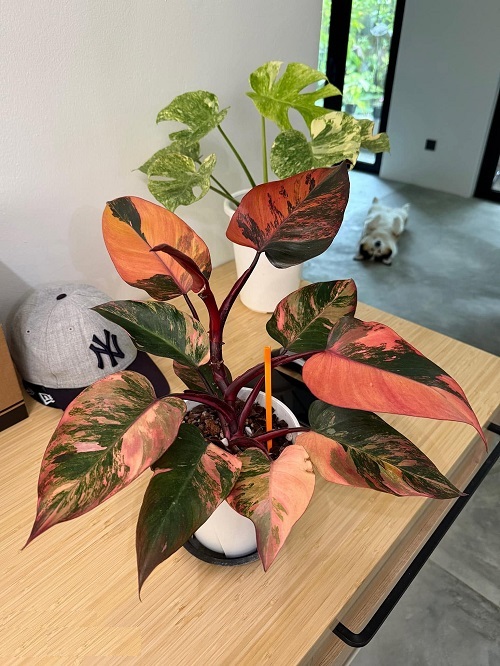
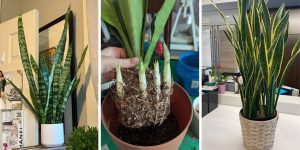
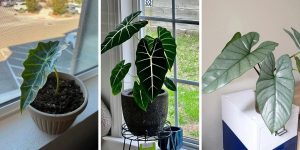
It is a misconception that all plants produce multiple stems. So the reason your houseplant is only increasing its leaf count is that it is biologically coded to have one or a few stems. Plants such as snake plants, philodendrons, and certain upright-growing houseplants may allot all their energy to the leaves before sending up any more shoots.
So, a lack of new stems isn’t automatically a problem. It may just be the natural form of a plant, and changing the environmental factors will not bring about a drastic change.
Pro tip: You may propagate multiple plants in the same pot to get a feel for having a plant with many stems.
Factors and Fixes if Fewer Stems are a Concern
As we said, some plants don’t produce a bunch of side shoots or stems, but what if your plant is not included in that category and is still not showing significant stem growth? Then there are a few things that you must do to balance out the leaf-to-stem ratio.
1. Less Light = Less Stems
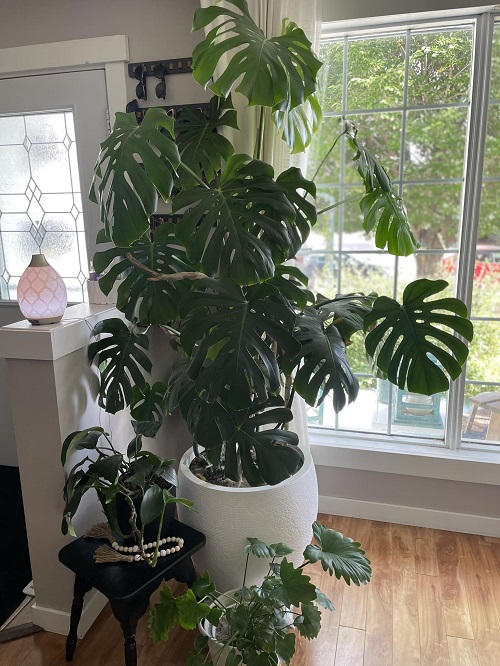
We all know that plants produce energy using the process of photosynthesis, which is then utilized to produce flowers, leaves, or stem or root growth. Therefore, insufficient light is directly proportional to weak, stretched growth and can reduce branching. This might be the reason your plant has just enough energy to make new leaves, but the rest of it stays compact and stunted.
Solution
The fix is quite simple. If your plant is several feet away from a window, behind thick curtains, or surrounded by other plants that block the light, all you have to do is shift its location to a brighter spot.
Choosing the right windowsill can make all the difference because sunlight exposure changes throughout the day. Also, you can get a bit creative to solve this issue by strategically arranging reflective surfaces to prolong and intensify the sunrays or by using artificial grow lights.
2. The Plant Naturally Grows Upward Instead of Sideways
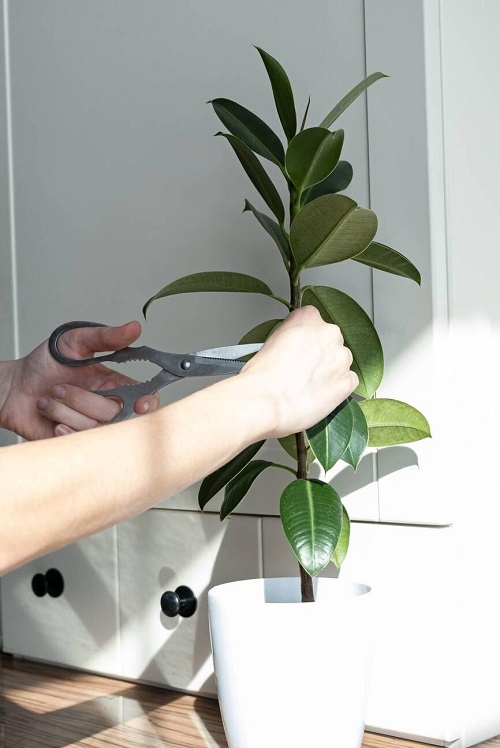
No 2 plant species have the same physical characteristics and growing habits. Some plants have strong apical dominance, which means that the main growing tip suppresses the development of some side buds. In simple words, it has a main stem that it channels almost all its attention and resources to.
Solution
The leaves grow on the main stem, whereas there is relatively little branching or narrow sub-stems. You cannot challenge Mother Nature, and hence no fix per se is available for this. But you can train, prune, or even propagate the plant to create a stem-dense look.
Note: Trimming the main stem just above a healthy node can encourage dormant buds to develop into new shoots.
3. Plant is Still Adjusting
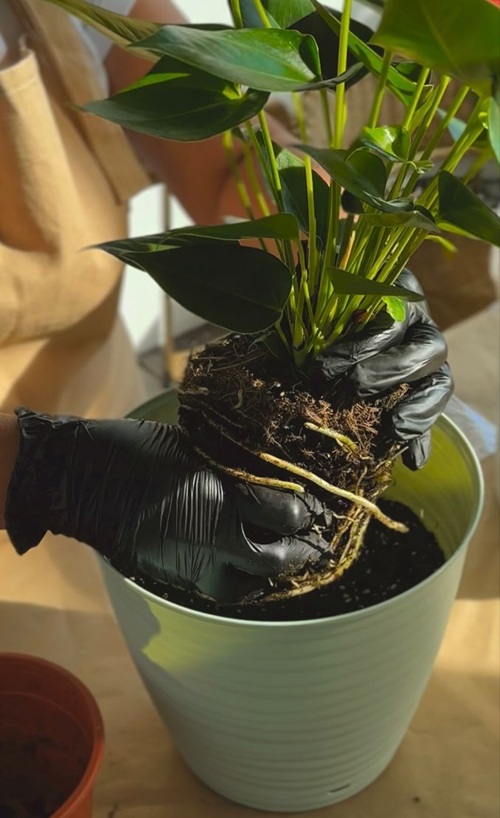
Maybe the result of what you see above is caused by the issue below! Confused? Sometimes what appears to be a stem-growth problem is actually happening because the roots of the plant haven’t adjusted to the soil and are not functioning optimally. This usually happens after repotting, propagation, or when the plant is really young.
Solution
Healthy roots equal a healthy plant. And a healthy plant has plentiful leaves and stems! If you have just repotted the plant, don’t rush it for results. Give it some time. Also, if you don’t notice any other problematic symptoms, letting nature run its course is the best plan of action.
Continue providing the best growing conditions and avoid repeatedly repotting or pruning it simply because you aren’t seeing new stems.
4. Water May Be the Silent Killer
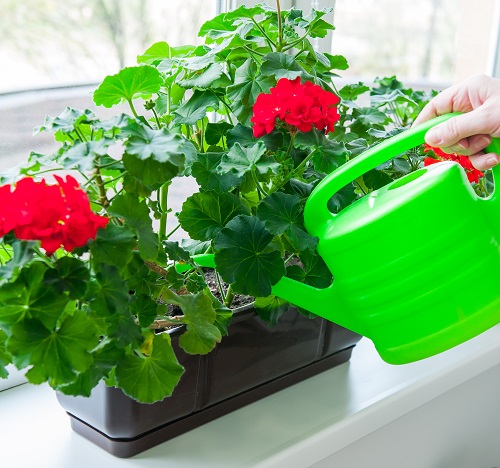
There is a saying, “Excess of anything is lethal,” and it stands true for watering. Similarly, ignoring your plant’s thirst will also be detrimental to new stem growth. Overwatering is particularly concerning because constantly soggy soil can damage roots, and thus damaged roots cannot efficiently function and absorb the nutrients required to produce new growth.
Solution
Don’t follow the one-size-fits-all strategy, as no two different species of plants are alike. Do your homework and water according to the plant’s needs rather than following a fixed calendar. Check the soil before watering and make sure the container has adequate drainage.
When in doubt, the general rule of thumb is to use the “Drench and dry” method, in which you thoroughly saturate the soil and wait for it to dry out. You can stick your finger in the first 2 inches of the substrate, and if it feels dry, it’s time to repeat the watering process.
Safeguard your botanical buddies by checking out our article on the common mistakes that are killing succulents!
5. Temperature and Seasonal Growth Matter
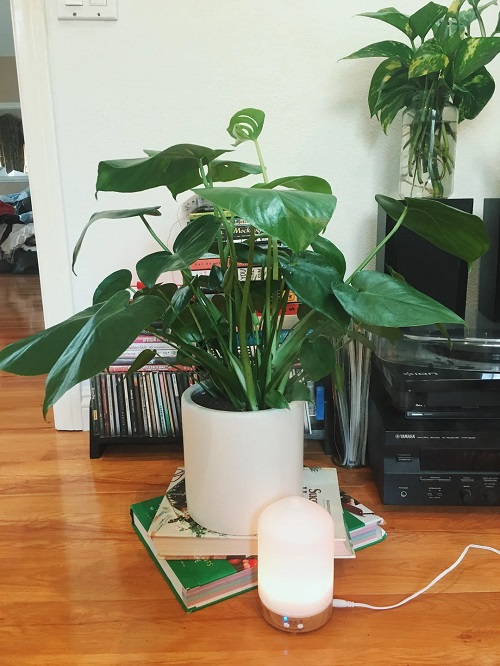
Like how humans need a vacation to unwind and recharge, many houseplants naturally slow down when light levels and temperatures change. A plant that produced several shoots during its active growing season may barely branch during its dormant period.
Solution
Here, you must study the dormant cycle of the particular houseplant. Then you can do one of the two things – either let it biologically slow down and not interfere or create an artificial environment to trick it into thinking it’s still in its active growing period.
You can use grow lamps, humidifiers, and other horticultural tools to mimic its active growing season conditions and force it to continue to grow and produce more stems.
6. Don’t Panic at All
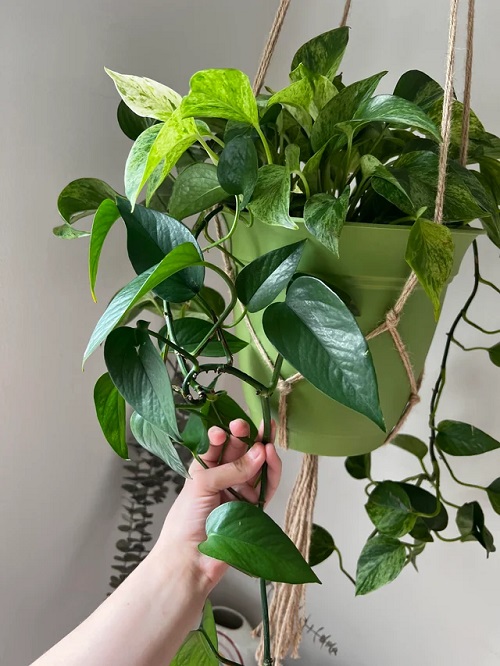
You need to realize that most plants prioritize leaf growth over stems. There is a very simple reason behind that. Leaves are where the most concentrated form of chlorophyll is present, which is required in the process of photosynthesis. This is what fuels life in plants.
Obstructing natural plant behavior for aesthetic purposes can be detrimental to the plant’s health. If you cut down on leaves to achieve the desired number of stems, the plant may not produce enough energy to sustain itself. Therefore, only minor changes and modifications are helpful.
When Should You Be Concerned?
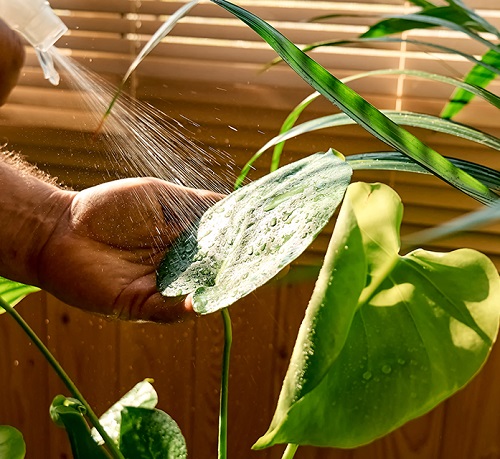
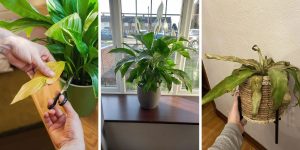
As we said, generally a lack of new stems is not a cause for concern, but when you spot more serious signs, then you may have to spring into action. Yellowing leaves, repeated leaf drop, soft or blackened stems, pests, or a complete halt in growth are symptoms that something a lot more dangerous needs to be addressed.
Pinpoint the exact cause and take necessary steps to get rid of the issue and prevent it from happening again. Measures can include using pest traps, pesticides, tweaking your watering routine, changing the pot location, and using fertilizers.
Now that you have solved the mystery behind why your plant is growing leaves but no new stems, let us know in the comment section what other questions keep your gardening mind awake at night, and we will help you answer them!