
As an Amazon Associate, we earn a small commission from qualifying purchases — at no extra cost to you.
What does a new plant parent need? Gardening tools and equipment? Yes, but what else? A guide to solve all their queries, and we’ve got one!
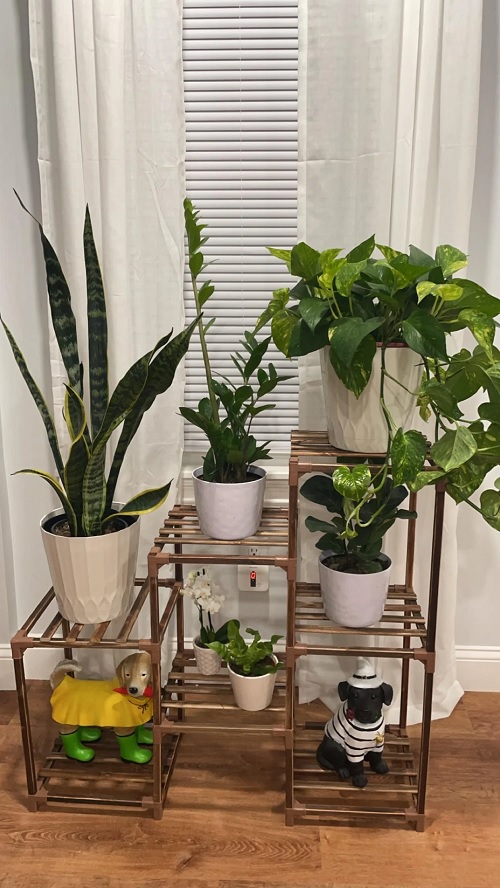
Starting an indoor plant collection sounds simple, but it is all fun and games until you bring home your first few plants and realize they need the right soil, water, light, nutrients, and support to actually thrive. Okay, don’t back out now. Let us start with the basics, because perhaps that is all you need!
Setting up your first indoor garden? Browse our Amazon Gardening Storefront for pots, soil, plant tools, fertilizers, grow lights, and other essentials in one place.
The Only Guide Beginners Need For Setting Up Houseplants
1. Start With Beginner-Friendly Plants
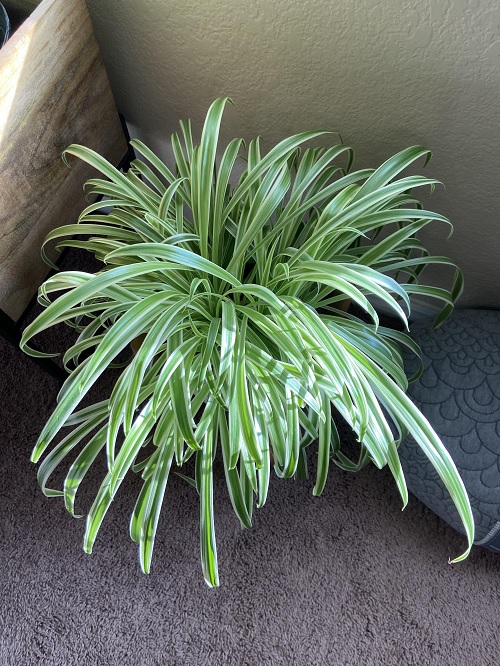
This is actually the most often overlooked step. Choose plants according to the light and care you can realistically provide. Spider plants, peace lilies, monsteras, and snake plants can be a great addition, but remember, every plant requires a different care regimen.
A spider plant might sound interesting, but before buying, check out its care guide to understand if they actually suit your space.
2. Get The Right Potting Mix
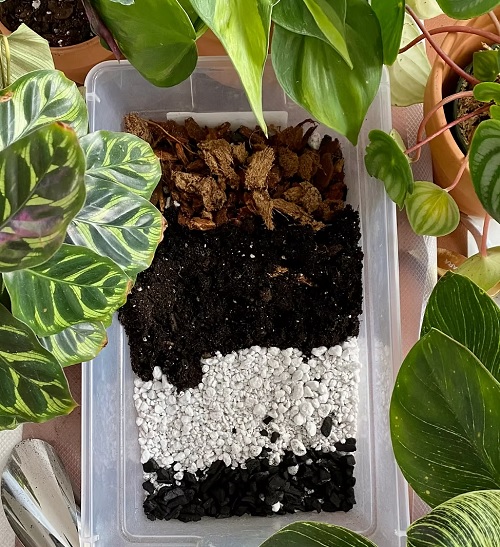
Want to know the foundation for a healthy plant? Good roots and good soil. That is the first step. Choose a well-draining indoor potting mix rather than relying on ordinary garden soil, which can become too dense in containers.
For a larger collection, a ready-to-use potting mix containing ingredients like cocopeat, perlite, and organic matter can save you the trouble of mixing everything yourself.
3. Make Watering Easier
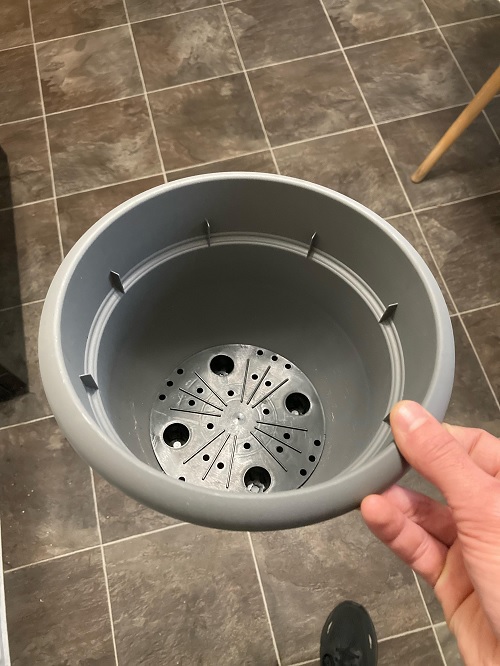
Overwatering is one of the most common mistakes beginners make. Because watering feels like a solution to every plant problem. But in reality, it is not. Don’t follow the watering regimen every week on the same day; instead, check the soil first. Different plants dry out at different rates.
Tip: Pick pots with drainage holes and matching saucers. A beautiful pot is useful only if excess water can escape.
If you’re the type of plant parent who constantly wonders, “Does this need water?”, add a moisture meter to your cart. It can save you from watering perfectly healthy roots into trouble.
4. Feed Your Plants
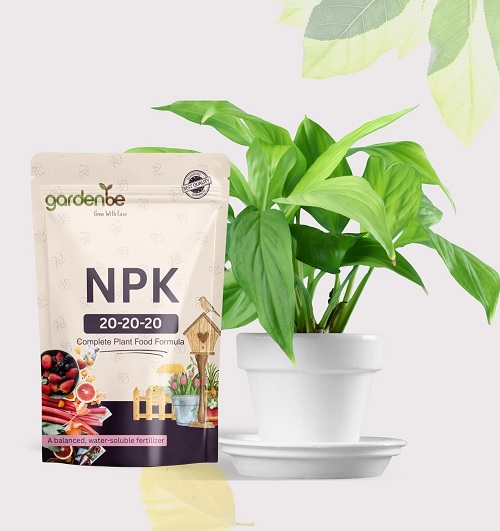
Water keeps your plants hydrated, but nutrients support that healthy growth. Nuticos 20-20-20 Balanced Water Soluble Fertilizer is a good option for many general-purpose plants, but check out the label always.
Remember, do not overfeed. Fertilizer needs differ based on the plant and growing conditions. And when plants are not actively growing, feeding should generally be reduced.
One small fertilizer pack like that of Osmocote Smart-Release Plant Food Plus can last through multiple feeding cycles, making it an inexpensive upgrade for a growing plant collection.
5. Eliminate Low Light
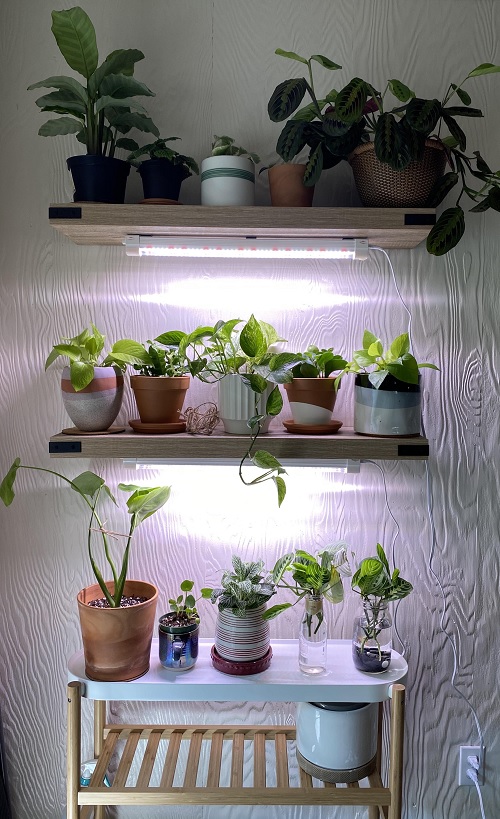
We all can agree to how not every apartment has a bright window. If your plants are far from windows or are not receiving enough light, an LED grow light can help supplement it.
Most houseplants prefer bright, indirect light, while low-light-tolerant plants still need adequate light to grow.
If your room is naturally dark, don’t gamble on an expensive plant collection – invest in a grow light first.
6. Support Time
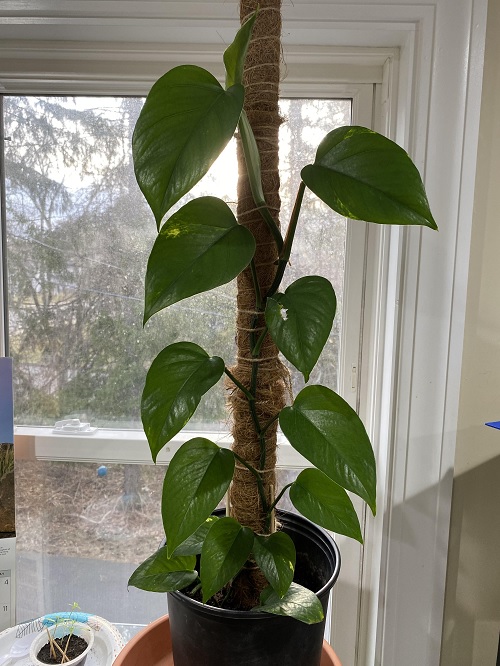
Monsteras and other climbing plants eventually benefit from support. And this is a sign to get some support if you are planning for some climbing varieties to grace your home. A moss pole, coco coir pole, or sturdy plant trellis gives climbing plants something to grow against while helping you maintain a more organized display.
Tip: Pair it with soft plant ties so stems aren’t damaged.
7. Small Things Do Matter
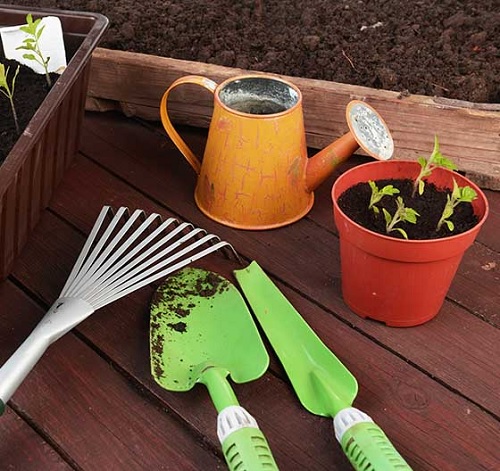
Building your plant setup on a budget? Check out Amazon Haul for affordable gardening accessories, pots, tools, and everyday plant-care essentials.
And when we say we mean a few things that should always be handy with you, like:
- Pruning shears or clean scissors
- Plant saucers
- Hygrometer for monitoring humidity
- Small spray bottle for cleaning leaves or applying treatments
- Decorative plant hangers for trailing plants
- Extra pots for future repotting
This doesn’t mean you need to have everything since day one. But this surely means that you’ll require them one day to make your plants bloom happily and healthily.
Want to learn beyond the basics? Explore houseplant and indoor gardening books for practical plant-care tips, troubleshooting help, and ideas for growing your collection.